For many Californians, the beach isn't a vacation destination. It's where you go after work, where you take your kids on Saturday and where you celebrate, grieve and think. Here's how the coast became the heart of California life.
Surfing comes to California
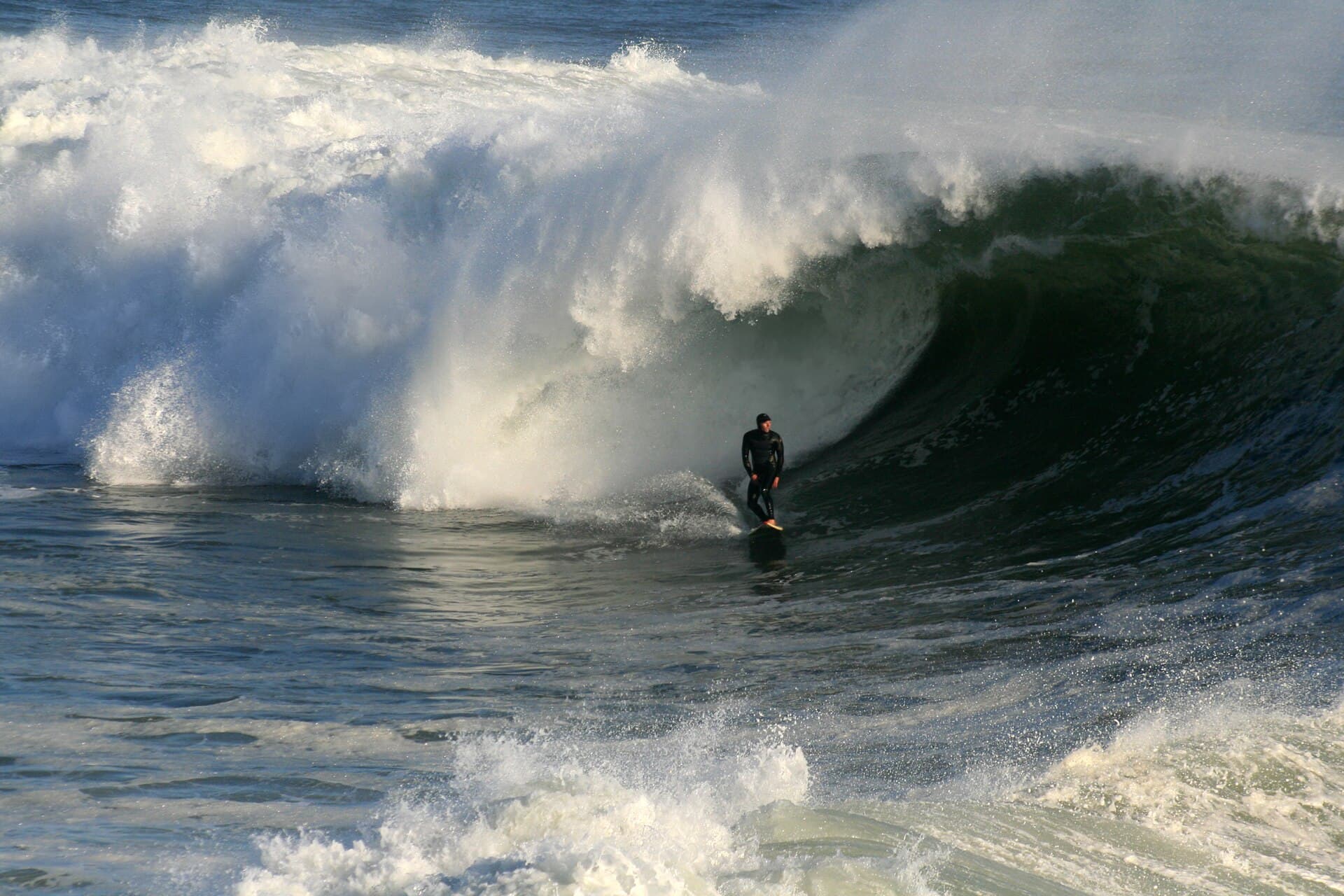
In 1885, three Hawaiian princes studying in California rode waves at the mouth of the San Lorenzo River in Santa Cruz, using boards milled from local redwood. It's considered the first recorded surfing in North America. In 1907, the Hawaiian-born surfer George Freeth gave demonstrations in Venice and Redondo Beach that helped spark Southern California's love of the sport.
Beaches belong to everyone
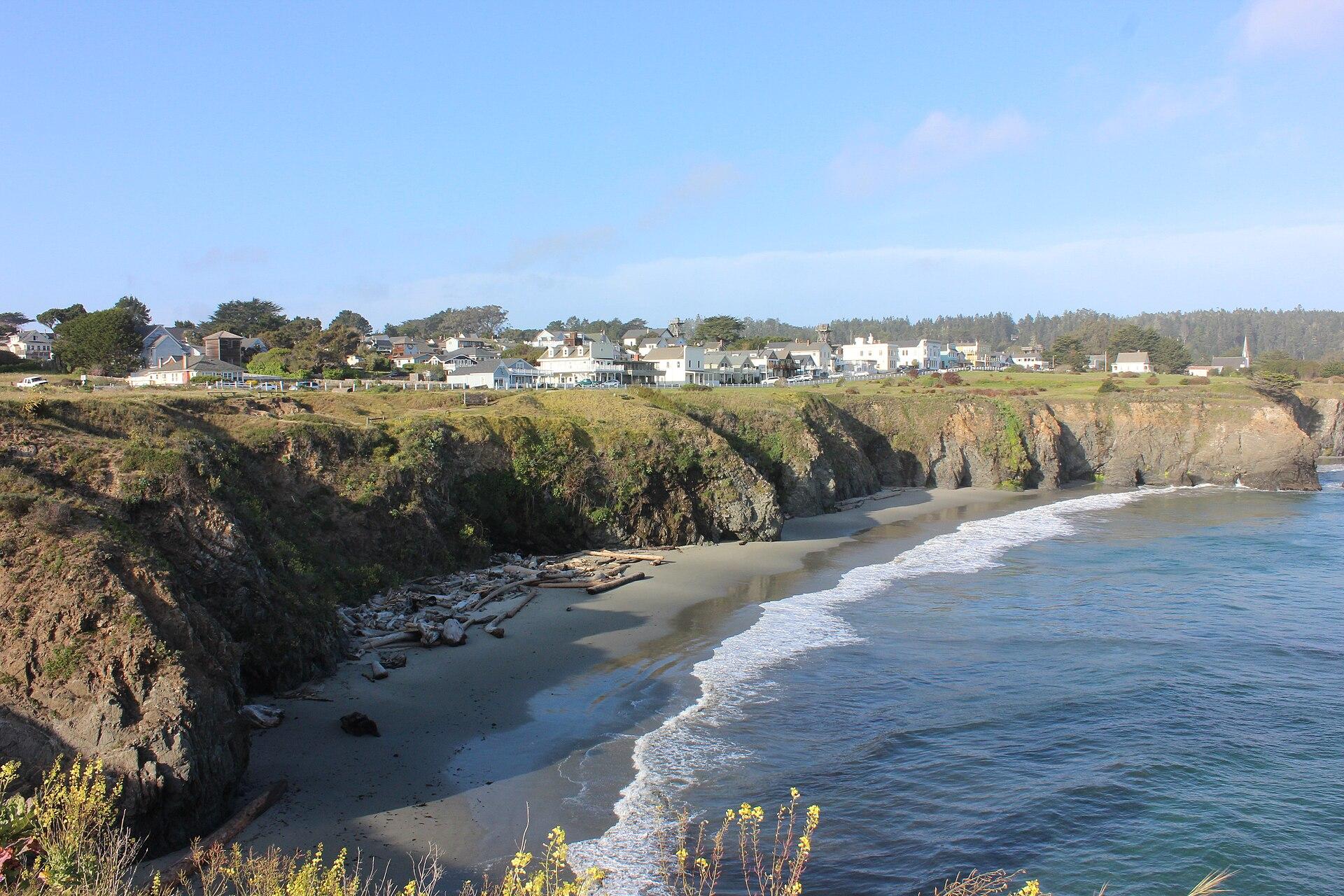
California has one of the strongest coastal-access traditions in the country. The California Coastal Act of 1976 protects the public's right to reach the shore, which is why, even in wealthy enclaves, you'll find public paths leading down to the sand.
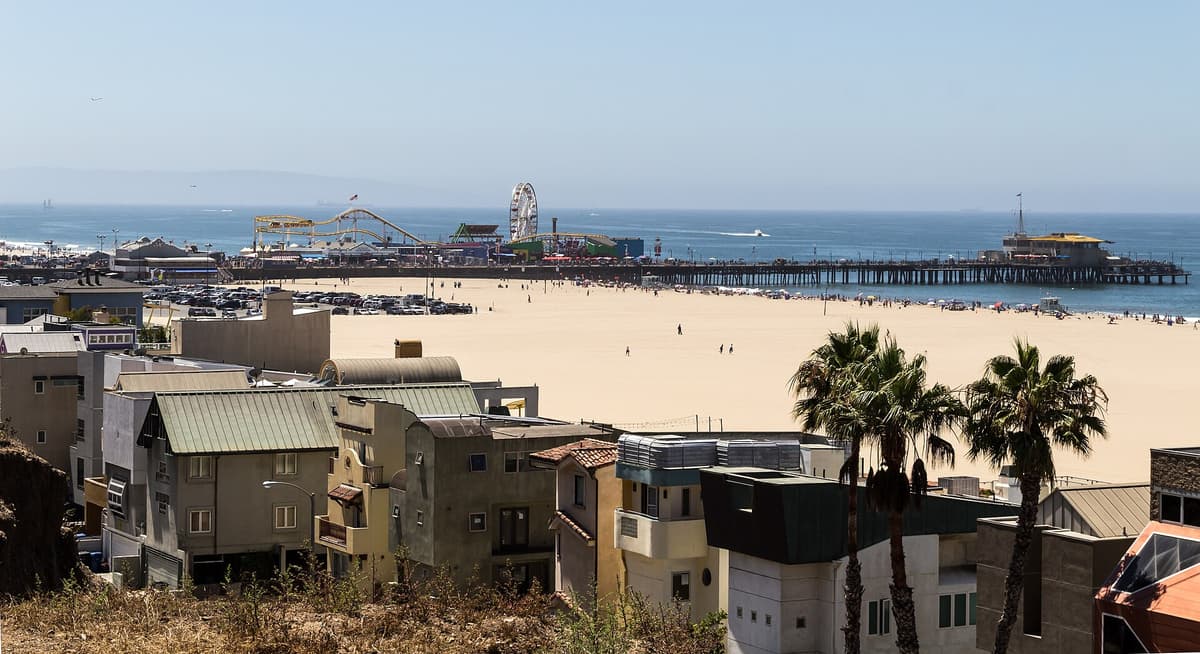
Every beach has a personality
- Venice Beach: skateboarders, street performers and Muscle Beach.
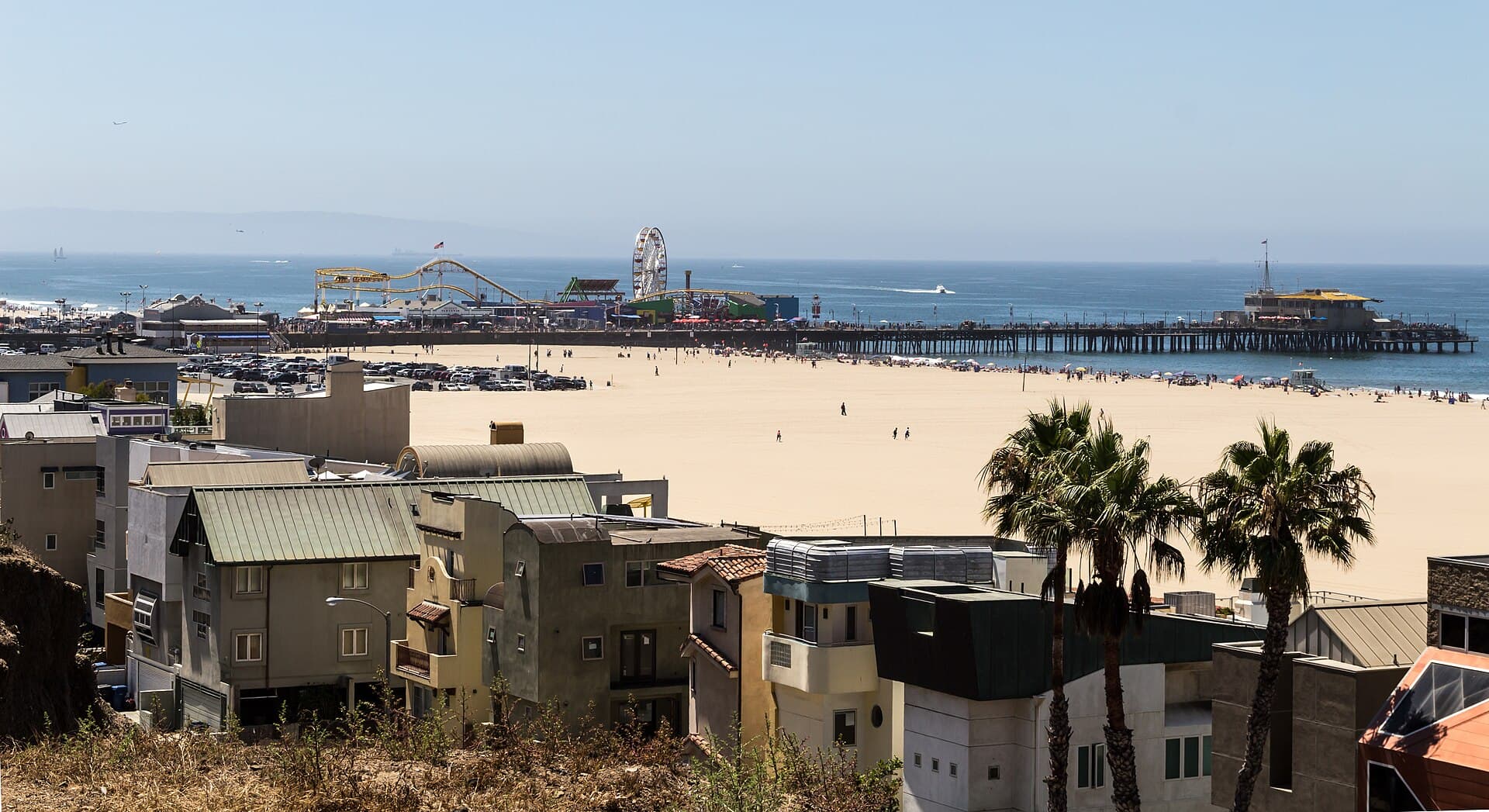
- Santa Monica: the pier, the bike path and sunset crowds.
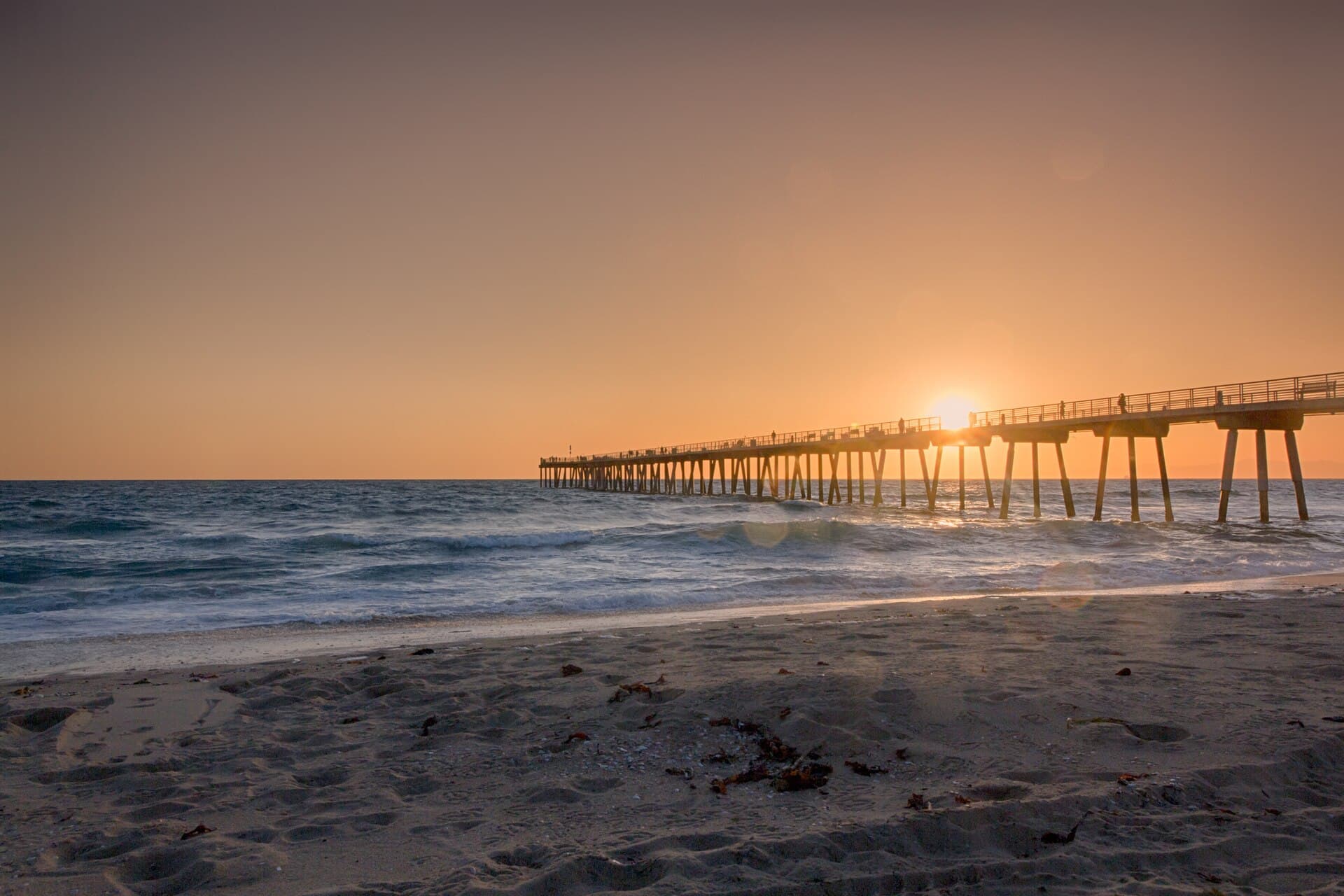
- Hermosa Beach: volleyball, the pier and a lively downtown. See our Hermosa Beach guide.
- Huntington Beach: "Surf City USA" and its long pier.
- La Jolla: sea lions, kayaking and sea caves.
- Santa Cruz: a classic boardwalk and serious surf.
- Pismo Beach: dunes, clam chowder and monarch butterflies in winter.
Respect the ocean
California's water is colder than many visitors expect, and rip currents are common. Swim near lifeguard towers, learn to spot rips (look for calmer, darker channels between breaking waves) and never turn your back on the ocean on rocky shores.
The beach lifestyle, anywhere
Maybe the real California beach lifestyle is a mindset: make time to be outside, look at the horizon, and watch the sun go down. You can do that from almost any coast.