Picture a cliff-top village wrapped in fog, a harbor where sea lions bark from the docks, or a surf town where the whole day revolves around the next swell. You'll find all three along the 840-mile California coast, often within a few hours of each other.
This guide covers 18 California coastal towns worth visiting, grouped from north to south. For each one you'll get what makes it different, what to do, who will love it and one practical tip. Further down you'll find a quick comparison table, the best time to visit and road trip advice.
A quick note on terms: some of these places are incorporated cities, like Carmel-by-the-Sea and Fort Bragg. Others, like Mendocino, Cambria and Bodega Bay, are unincorporated communities. They all feel like small towns once you're there.
Best Northern California Coastal Towns
Northern California's coast is wild, cool and quiet. Expect rocky headlands, cold water, redwood-backed valleys and long stretches of Highway 1 with no town in sight. It's a coast for walking and watching more than swimming.
Distances are bigger up here, too. Trinidad is roughly a six-hour drive from San Francisco, so give the north coast at least a long weekend.
Trinidad
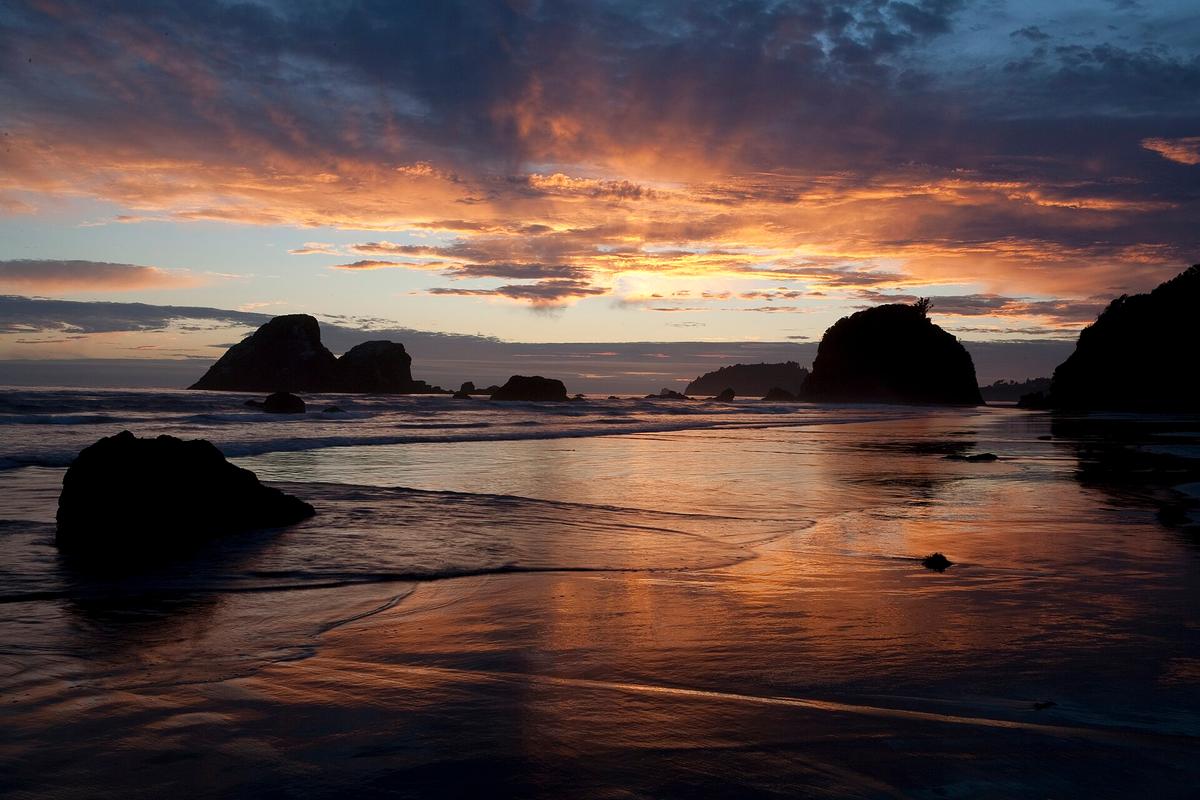
Trinidad is one of the smallest incorporated cities in California, with 307 residents in the 2020 Census. It sits on a bluff above a sheltered bay in Humboldt County, and it feels more like a fishing village than a city.
Walk the loop trail around Trinidad Head for views over sea stacks and, in winter and spring, a chance to spot migrating gray whales. Then drop down to Trinidad State Beach or College Cove for tide pools and driftwood. Just north, Sue-meg State Park (formerly Patrick's Point) has cliff trails and a reconstructed Yurok village.
It's ideal if you want redwoods and ocean on the same trip. Redwood National and State Parks start a short drive north.
Tip: Fog often burns off by early afternoon, so save your best viewpoint for later in the day.
Fort Bragg
Fort Bragg is a working town, and that's its charm. It grew around a lumber mill, and the old mill site is now a public coastal trail with ocean views for miles.
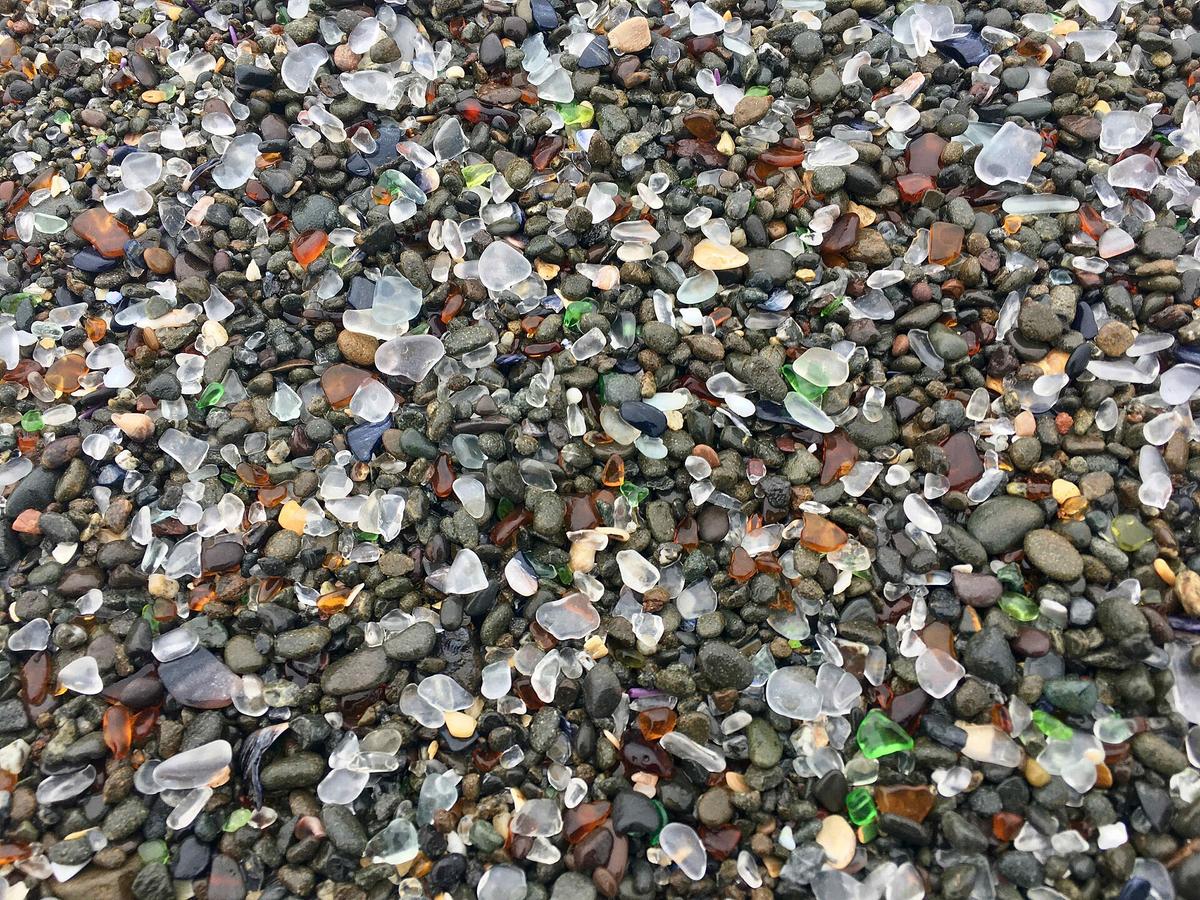
The big draw is Glass Beach in MacKerricher State Park, where decades of old dump glass have been tumbled into smooth, colorful pebbles. You can look and touch, but collecting glass inside the state park isn't allowed. Supplies are already shrinking.
You can also ride the historic Skunk Train into the redwoods, stroll the Mendocino Coast Botanical Gardens and eat fish and chips at Noyo Harbor.
Tip: Fort Bragg usually has more lodging choices than nearby Mendocino, which makes it a smart base for a Mendocino coast trip.
Mendocino
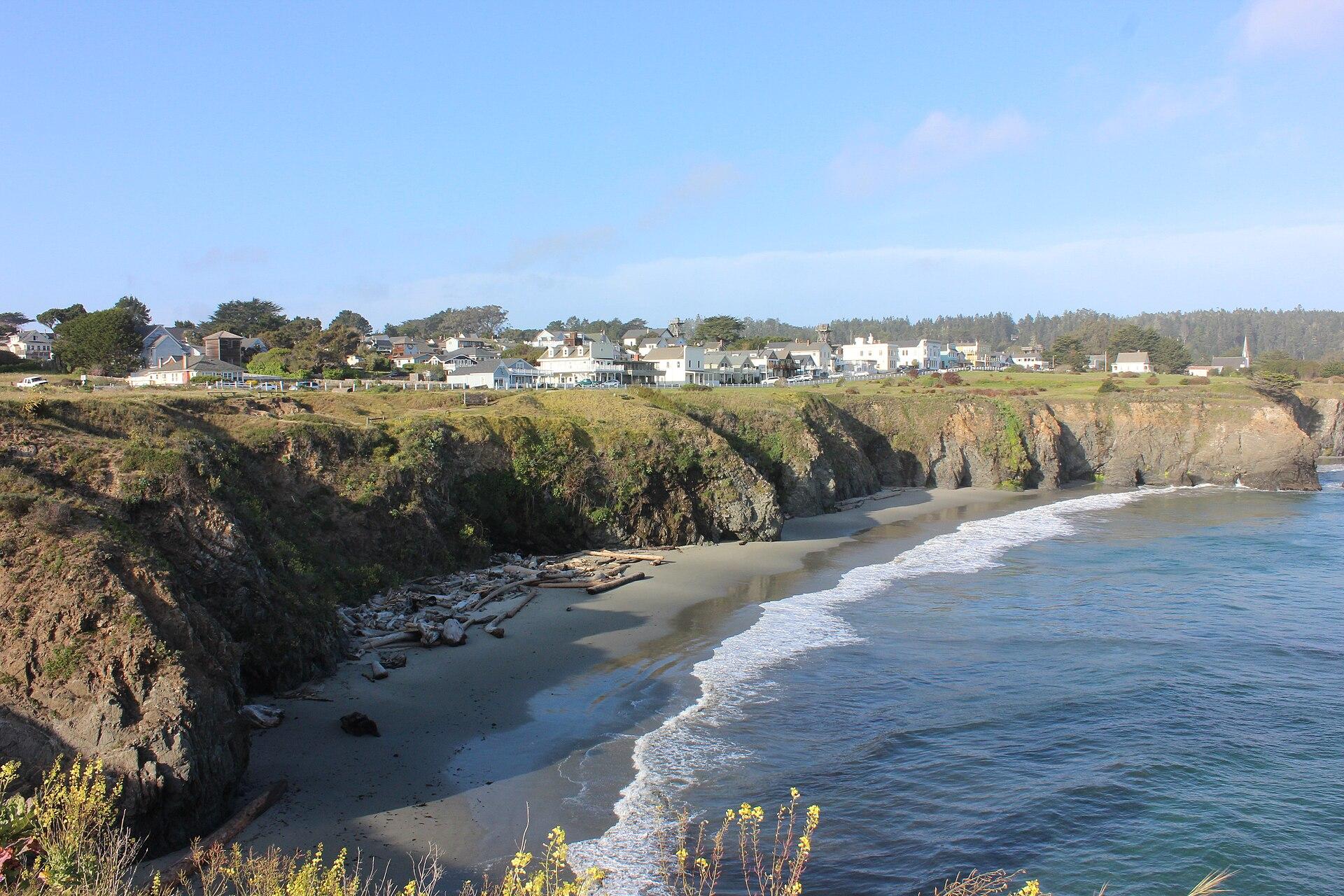
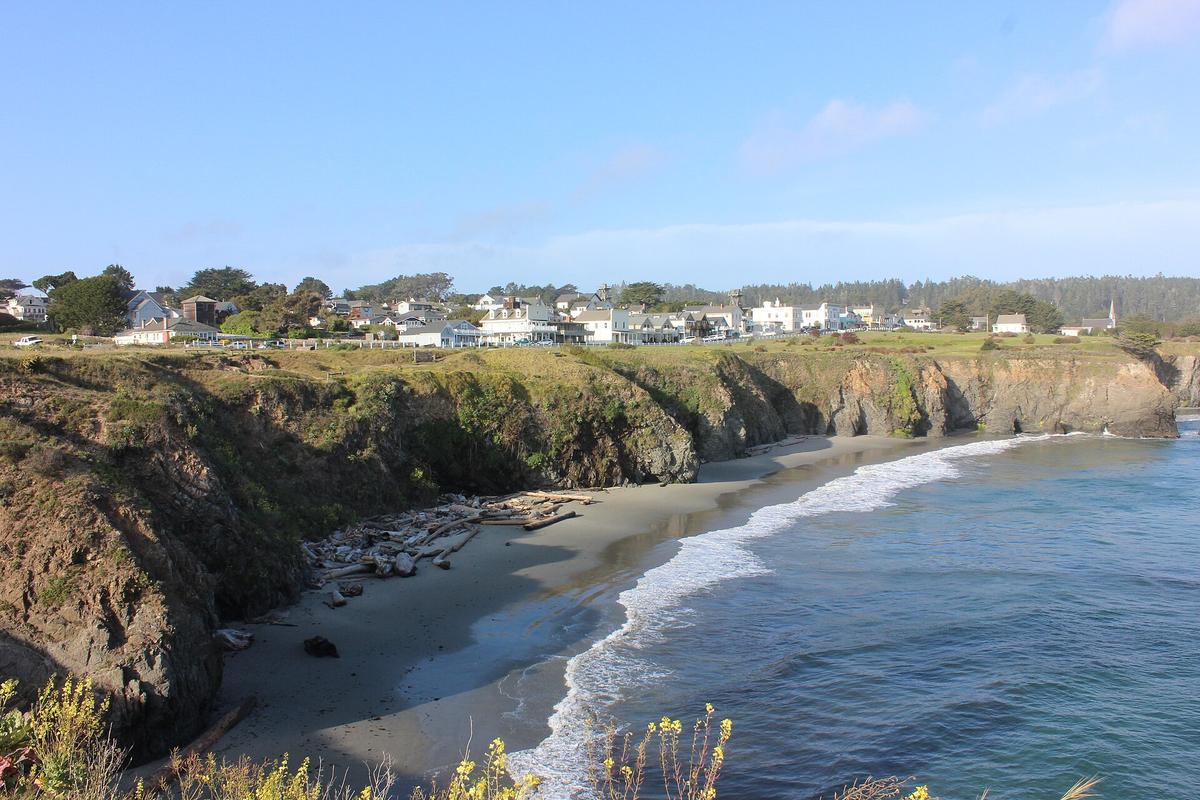
Mendocino might be the most photographed small coastal town in California. Its weathered wooden buildings, water towers and church steeples sit on a grassy headland with the Pacific on three sides.
Mendocino Headlands State Park wraps around the village, so you can walk straight from a bakery to cliff-top trails above sea arches and hidden coves. A few minutes north, Russian Gulch State Park has a fern-lined trail to a small waterfall. Point Cabrillo Light Station sits between Mendocino and Fort Bragg.
The village is a favorite for couples and anyone who likes galleries, bookshops and long walks with no agenda.
Tip: It's about a three-and-a-half-hour drive from San Francisco. Leave early and stop at the Anderson Valley wineries on Highway 128 along the way.
Jenner
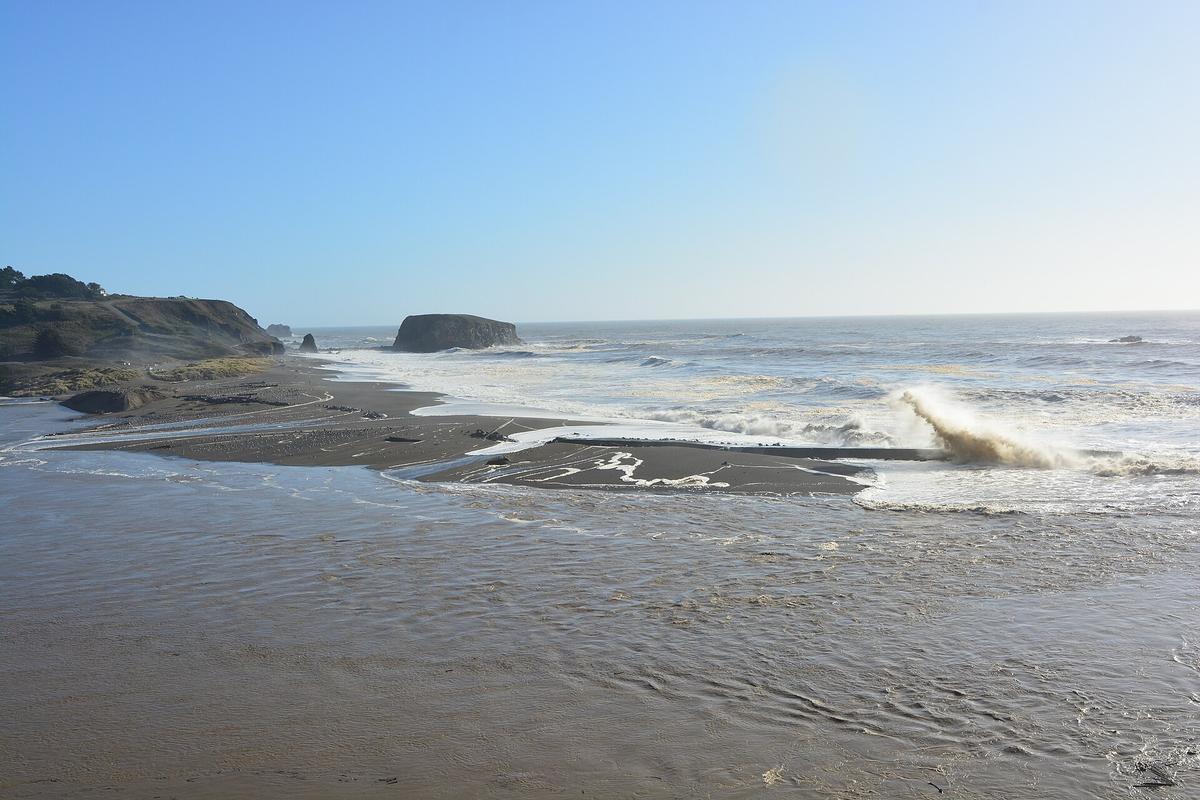
Jenner is tiny. A few buildings cling to the hillside where the Russian River meets the Pacific, and that meeting point is the whole show.
Goat Rock Beach, at the river mouth, is one of the best places on the Sonoma Coast to see harbor seals. In spring and summer they haul out on the sand with their pups, and volunteers with the Seal Watch program often help visitors view them from a respectful distance. Dogs aren't allowed on Goat Rock Beach because of the seals.
North of town, Highway 1 climbs into steep switchbacks with huge ocean views. About 12 miles up the road, Fort Ross State Historic Park preserves a 19th-century Russian settlement.
Tip: Give the seals plenty of space. A mother may abandon a pup if people get too close.
Bodega Bay
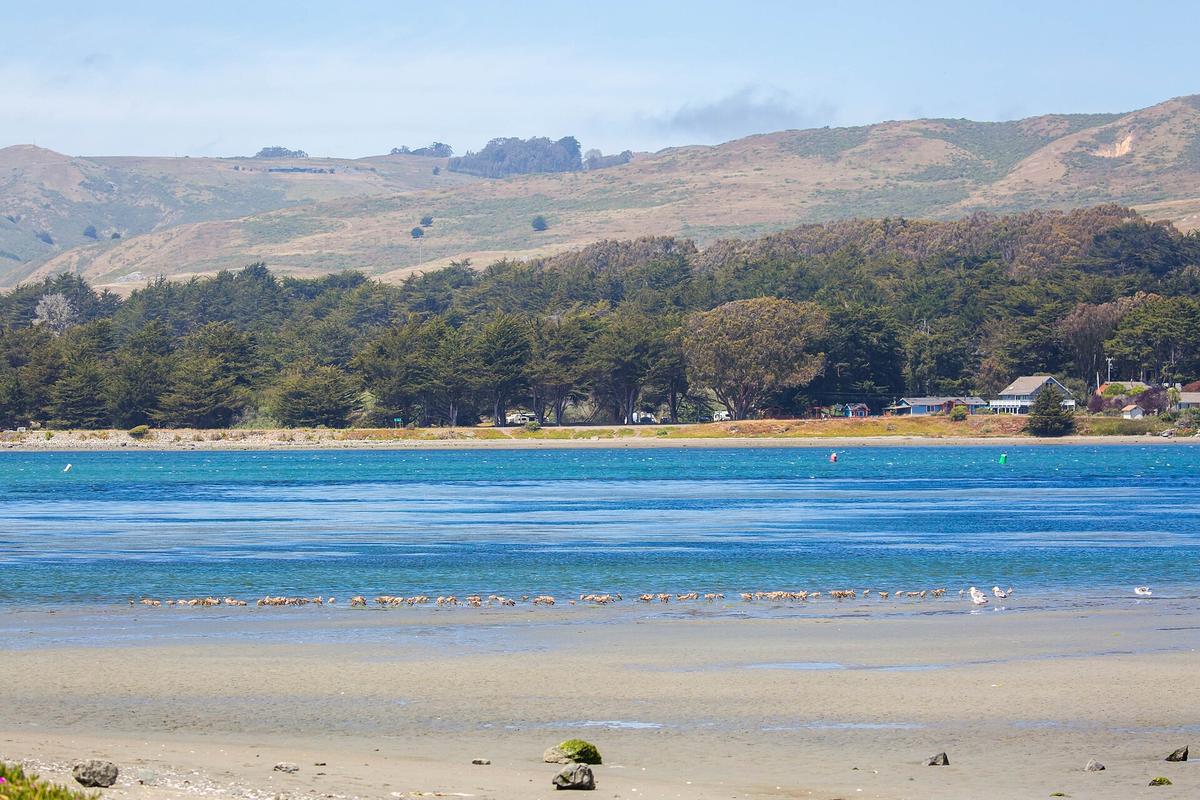
Bodega Bay is the easy north coast escape from the Bay Area, usually under two hours from San Francisco. It's a working harbor with fishing boats, seabirds and chowder shops along Highway 1.
Movie fans know it from Alfred Hitchcock's The Birds, filmed here and in the nearby town of Bodega. Nature fans head to Bodega Head, a windy headland where you can scan for gray whales during their winter and spring migration.
The Sonoma Coast State Park beaches stretch north from town. They're gorgeous for walks, but they're not swimming beaches. Cold water, rip currents and sneaker waves are real risks here.
Tip: Never turn your back on the ocean on Sonoma Coast beaches, especially in winter when big swells roll in.
Best Central California Coastal Towns
The Central Coast is where many people's California road trip daydreams take place. Think cypress trees bent by the wind, sea otters floating in kelp, mission towns and Big Sur's cliffs between Carmel and Cambria.
It also has more variety than the north. You can tour an aquarium in the morning, walk a beach with your dog after lunch and catch a sunset from a pier.
Half Moon Bay
Half Moon Bay is about 30 miles south of San Francisco, which makes it one of the easiest coastal day trips in Northern California. Its small downtown on Main Street has cafés, shops and old farm-town buildings.
The Half Moon Bay Coastal Trail runs along the bluffs and is great for walking or biking. Just north, Pillar Point Harbor has seafood restaurants, and the famous big-wave surf break Mavericks breaks offshore in winter. At low tide, the Fitzgerald Marine Reserve in Moss Beach has some of the best tide pools near the Bay Area.
October brings the Half Moon Bay Art and Pumpkin Festival, plus farm stands piled with pumpkins.
Tip: Highway 92 traffic can back up badly on fall weekends, so go early or visit midweek.
Monterey
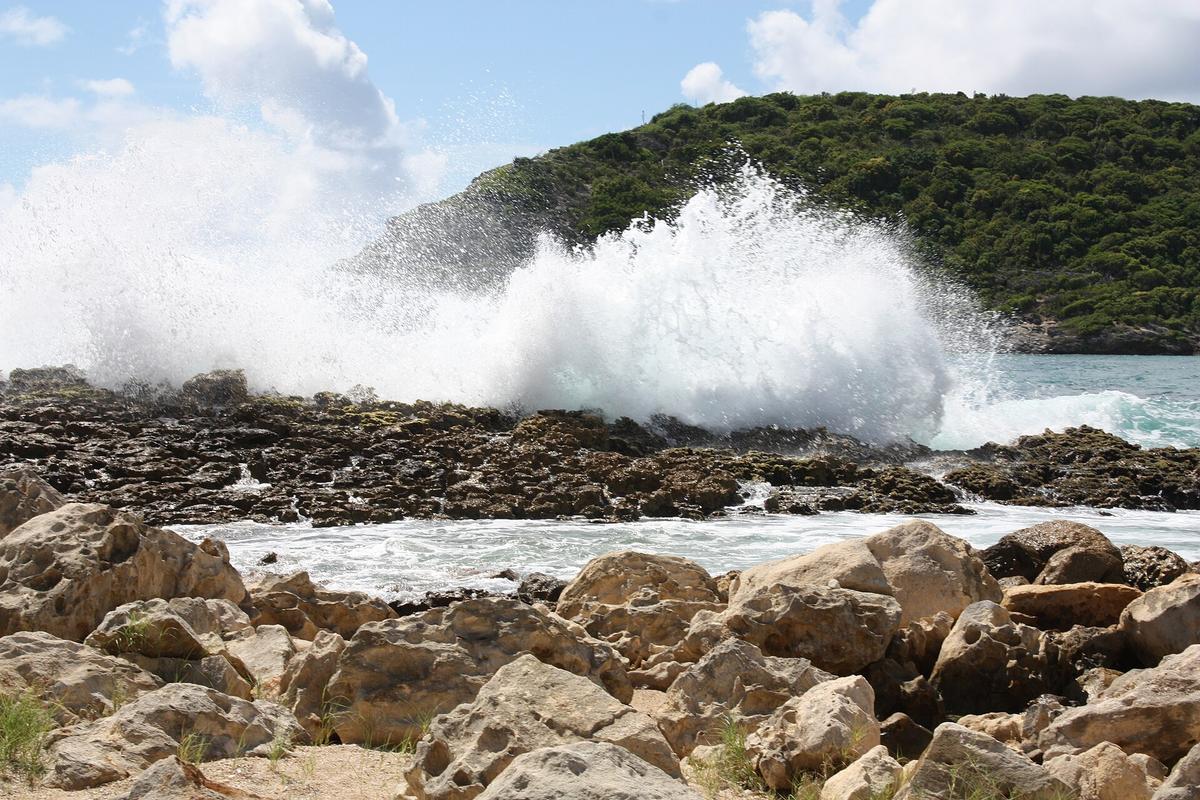
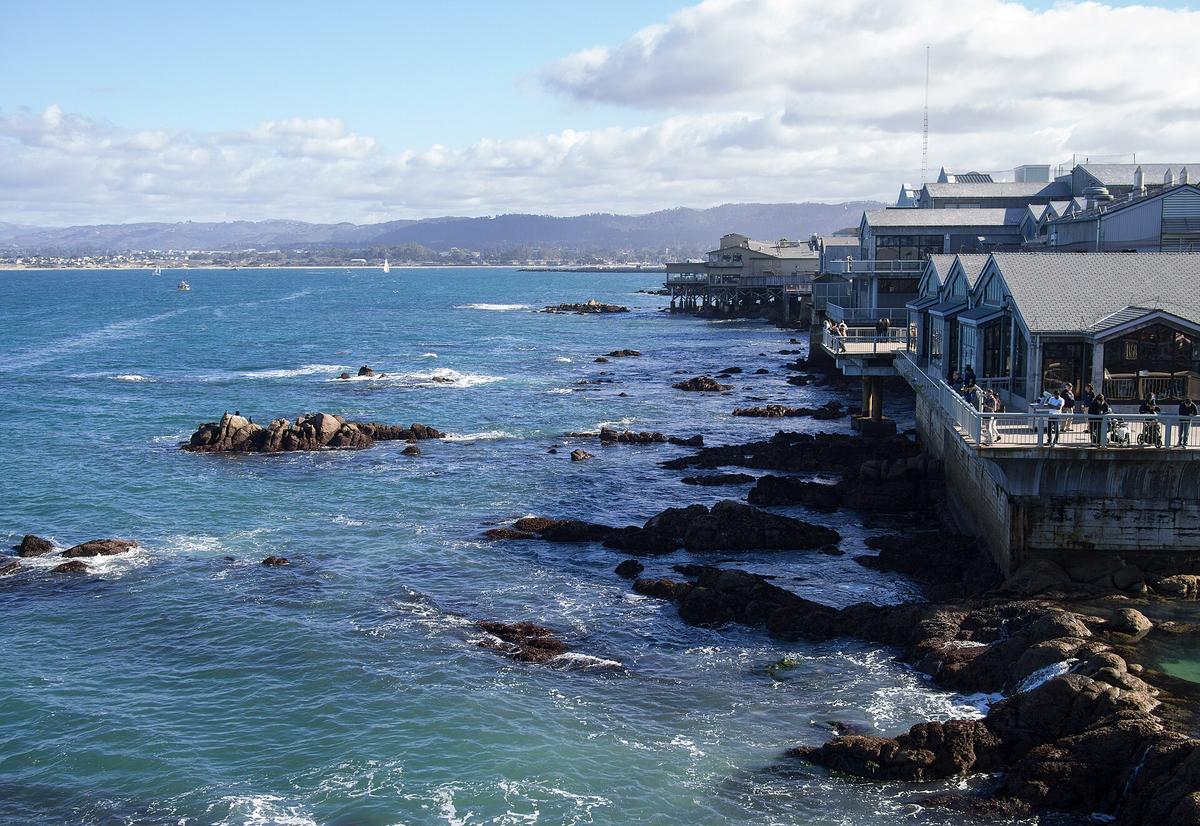
Monterey is bigger than most towns on this list, but it's packed with things to do. The Monterey Bay Aquarium on Cannery Row is the headliner, and it's worth planning your day around.
After that, walk or bike the paved Monterey Bay Coastal Recreation Trail, look for sea otters near the shore, and book a whale-watching trip from Fisherman's Wharf. History lovers can explore Monterey State Historic Park, which preserves buildings from the years when Monterey was the capital of Spanish and Mexican Alta California.
It's a strong pick for families and first-time visitors.
Tip: Buy aquarium tickets online before you go, especially for summer weekends and holidays.
Pacific Grove
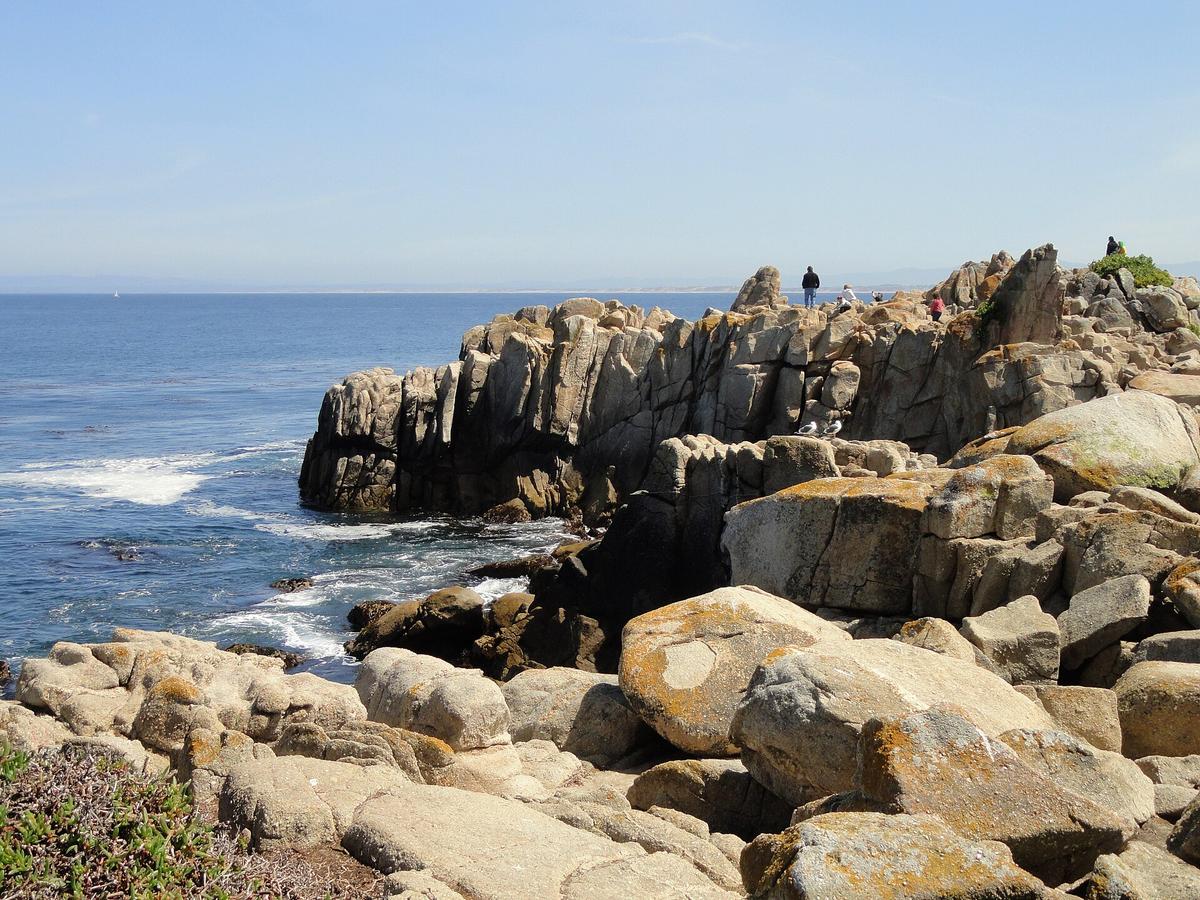
Pacific Grove sits right next door to Monterey, but it feels slower and more residential. Victorian houses line the streets, and the shoreline is open for walking almost the whole way around.
The town calls itself Butterfly Town, USA. Monarch butterflies typically cluster in the Monarch Grove Sanctuary from about mid-October to mid-February, with the most activity from November through January. Point Pinos Lighthouse, first lit in 1855, is the oldest continuously operating lighthouse on the West Coast.
Lovers Point Park has a small, sheltered beach that works well for kids and kayakers. Asilomar State Beach, at the town's western edge, has dunes, tide pools and a boardwalk.
Tip: Drive or bike Ocean View Boulevard at sunset. It's one of the prettiest free coastal routes in California.
Carmel-by-the-Sea
Carmel-by-the-Sea looks like a storybook. Many of its cottages date to the 1920s, with steep roofs and crooked chimneys, and the village has long gone without standard street addresses. The city has recently been working to adopt house numbers.
Ocean Avenue runs downhill from the shops and tasting rooms to Carmel Beach, a wide sweep of white sand where dogs are welcome. Visit the Carmel Mission, founded in 1771, or head about three miles south to Point Lobos State Natural Reserve for some of the most dramatic coastal scenery in the state.
Carmel is a classic choice for couples, food lovers and anyone who likes to wander.
Tip: Parking at Point Lobos fills fast on weekends. Arrive early, and check the reserve's website for current entry rules and fees.
Cambria
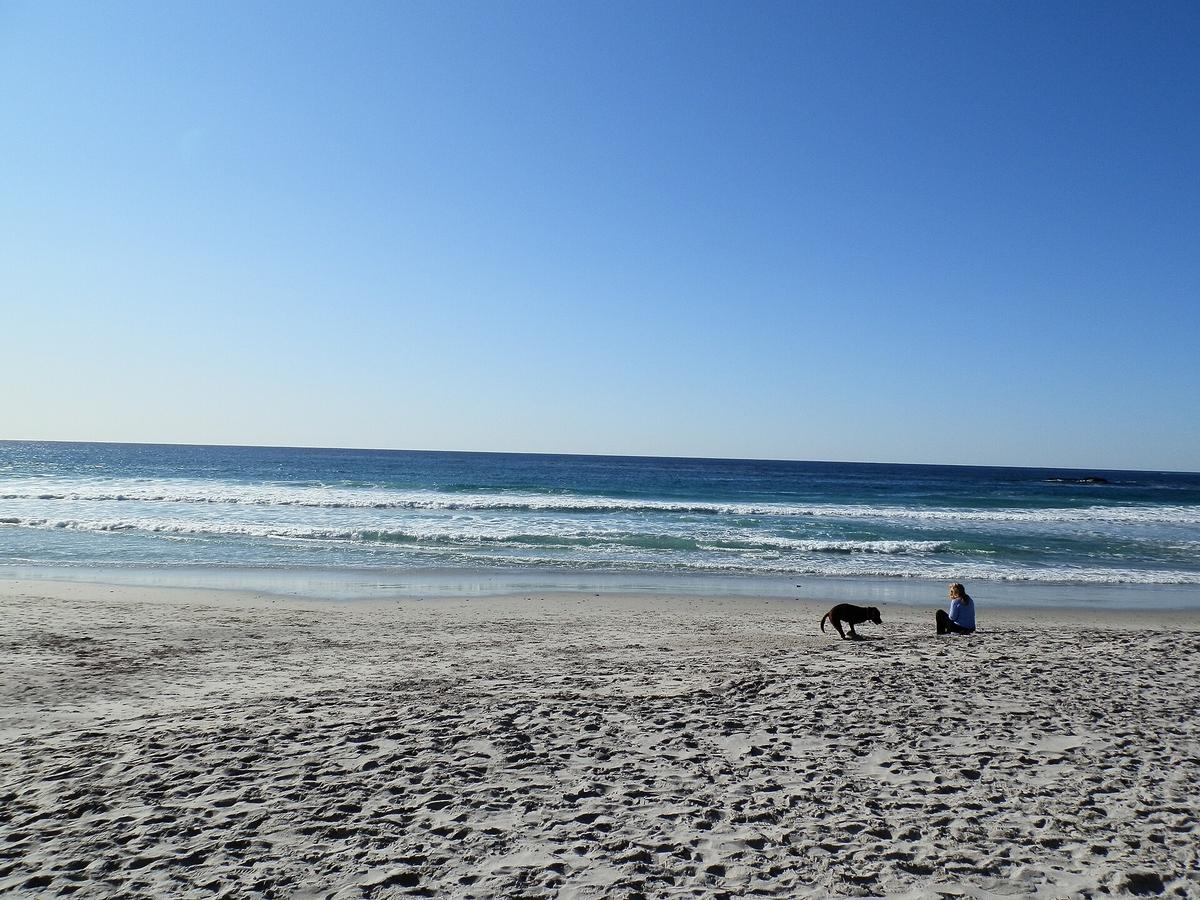
Cambria is a pine-covered village tucked between the hills and the sea, about halfway between San Francisco and Los Angeles. It's split into a quiet East Village and West Village, both lined with antique shops, wine bars and bakeries.
The Moonstone Beach Boardwalk runs along the bluff above a rocky beach where you can hunt for agates and polished stones. Fiscalini Ranch Preserve has easy trails over open headlands. Hearst Castle is about 10 miles north, and the Piedras Blancas elephant seal rookery is just past it.
It's a peaceful base if you're driving Highway 1 through Big Sur.
Tip: If you want to see elephant seal pups, plan a trip for late December through February.
Morro Bay
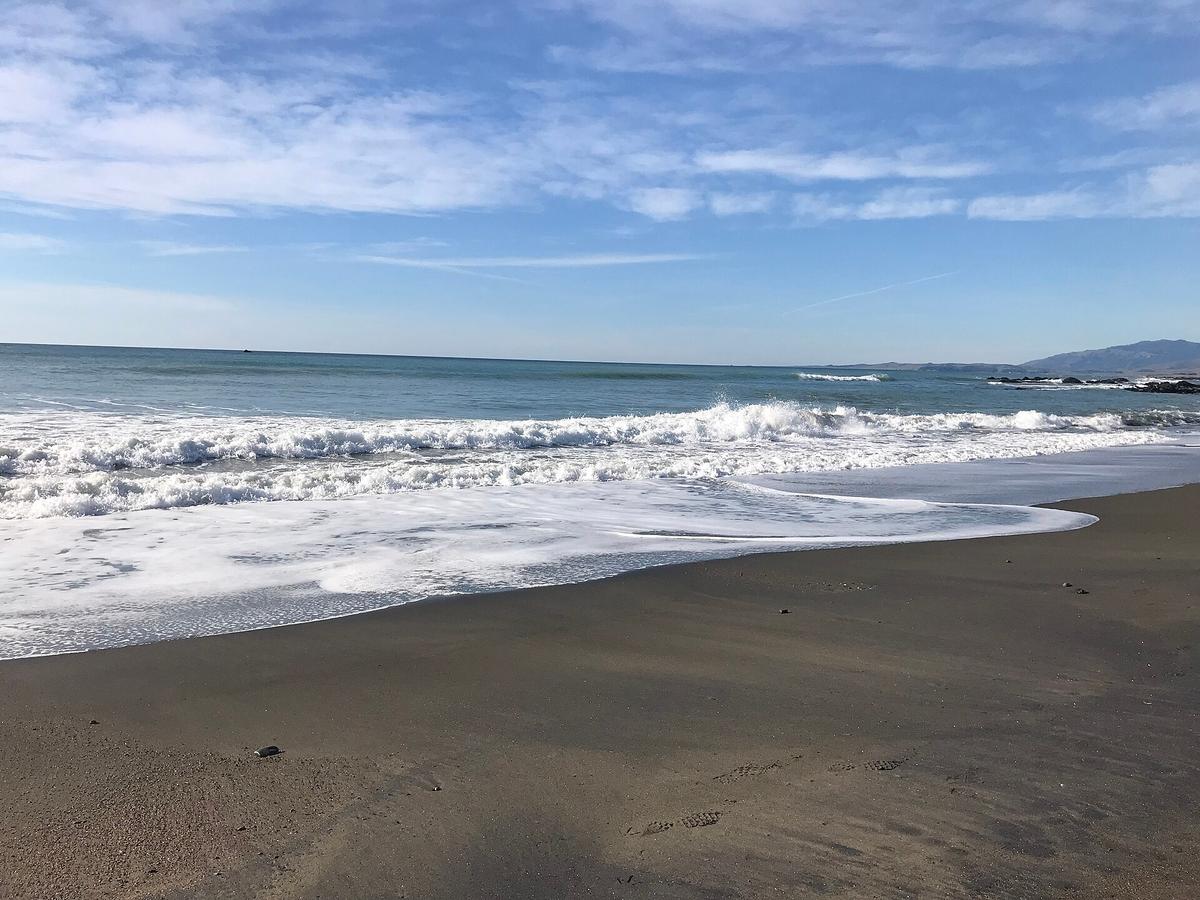
You can't miss Morro Bay's landmark. Morro Rock, an ancient volcanic plug about 576 feet tall, rises straight from the edge of the harbor. It's a protected peregrine falcon nesting site, so climbing it isn't allowed, but you can walk around its base.
The Embarcadero along the waterfront has seafood spots, shops and kayak rentals. Paddle the calm bay and estuary and you'll often see sea otters, harbor seals and shorebirds up close. Morro Bay State Park and its natural history museum make an easy add-on.
It's relaxed, affordable compared with Carmel or Santa Barbara, and fun for families.
Tip: Wind usually picks up in the afternoon, so book a morning paddle.
Pismo Beach
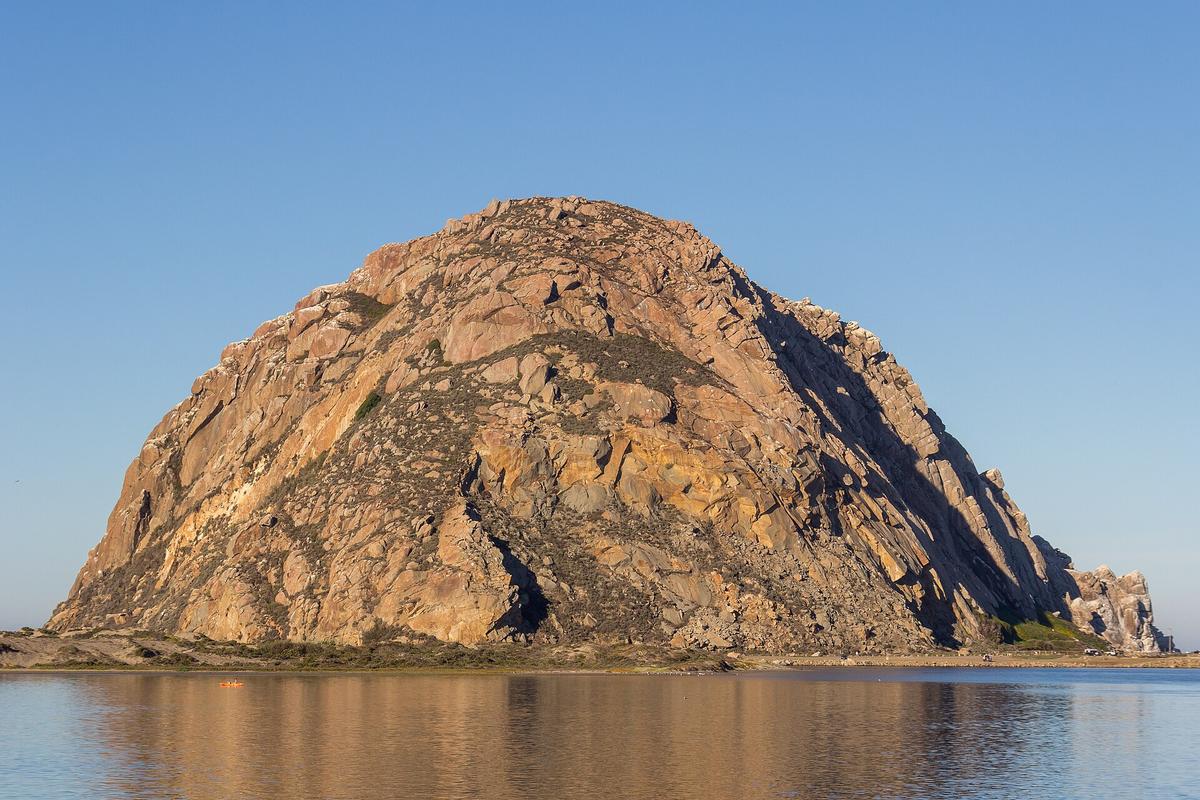
Pismo Beach has a classic small-town beach vibe: a long pier, a surf shop on every block and a wide, sandy beach for bonfire-and-boardwalk kind of days.
Walk the pier at sunset, then grab clam chowder in a bread bowl downtown. North of the pier, the Shell Beach neighborhood has bluff-top parks and sea caves you can explore by kayak with a guide. In winter, the Pismo State Beach Monarch Butterfly Grove hosts thousands of overwintering monarchs.
The weather is often milder than on coastal stretches farther north, so it's a good family stop.
Tip: Pismo makes a great overnight on a San Francisco to Los Angeles drive on Highway 101.
Best Southern California Coastal Towns
South of Point Conception, the coast turns to face south, and the mood changes. The water's warmer, the fog lifts sooner and the beaches are built for swimming, surfing and staying all day.
Towns here are closer together, too. You can surf in Encinitas in the morning and eat dinner in Carlsbad Village 15 minutes later.
Santa Barbara
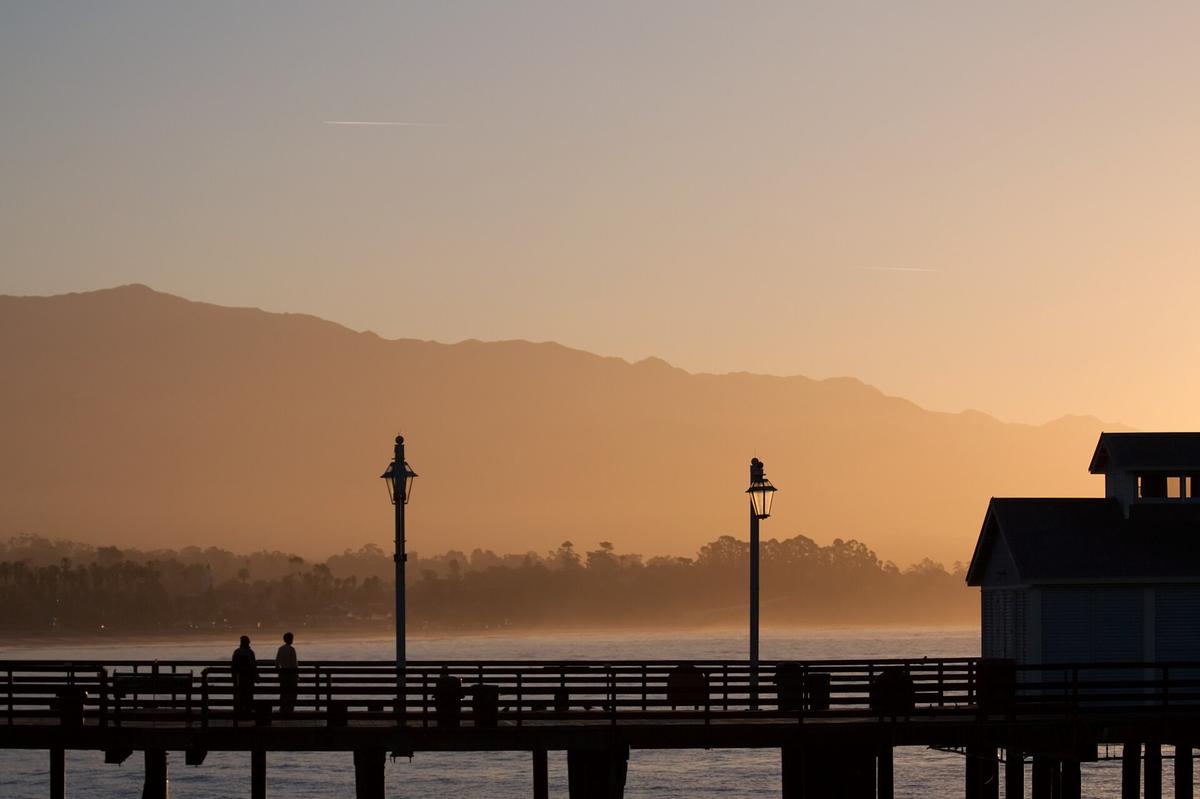
Santa Barbara earns its nickname, the American Riviera. Red-tile roofs, palm-lined beaches and mountains rising right behind town make it one of the most beautiful coastal cities in the country.
Walk out on Stearns Wharf, browse the tasting rooms in the Funk Zone and climb the clock tower at the Santa Barbara County Courthouse for a free view over the whole city. Old Mission Santa Barbara, founded in 1786, is a short drive uphill. Boats also leave from the harbor for whale watching and Channel Islands trips.
It's ideal for couples, food lovers and weekend trips from Los Angeles.
Tip: Take the Amtrak Pacific Surfliner from LA and skip the parking hunt. The station is a short walk from the beach.
Read more in our Santa Barbara travel guide.
Ventura
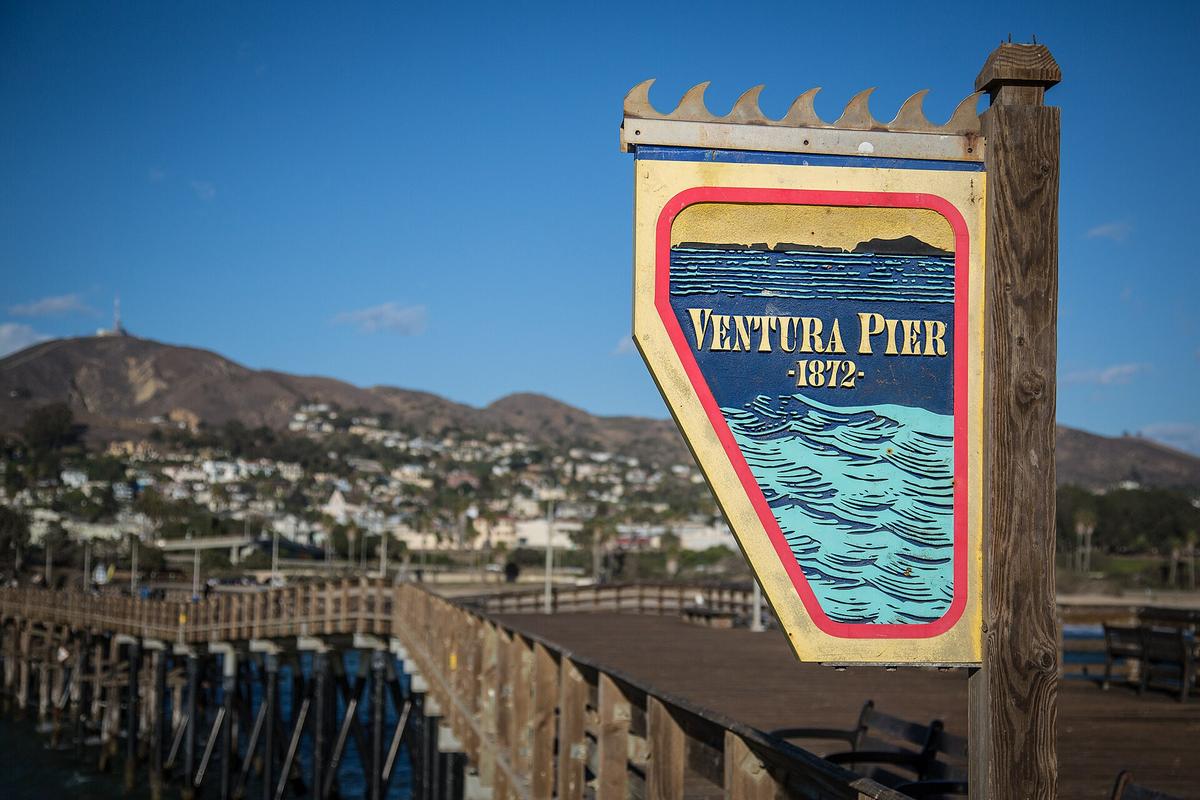
Ventura is laid-back and less polished than Santa Barbara, and many visitors like it more for that reason. Its historic wooden pier reopened in 2024 after storm repairs, and the promenade beside it is perfect for an easy walk.
Surfers Point, at Seaside Park, is a well-known longboard break. Downtown has a historic mission, thrift and antique stores and good casual food on Main Street. Ventura Harbor is also the gateway to Channel Islands National Park, with a visitor center and boat trips to the islands.
It's a great pick if you want a beach town that still feels local.
Tip: Island boat trips often sell out in summer. Reserve ahead and check the park's site for conditions.
Laguna Beach
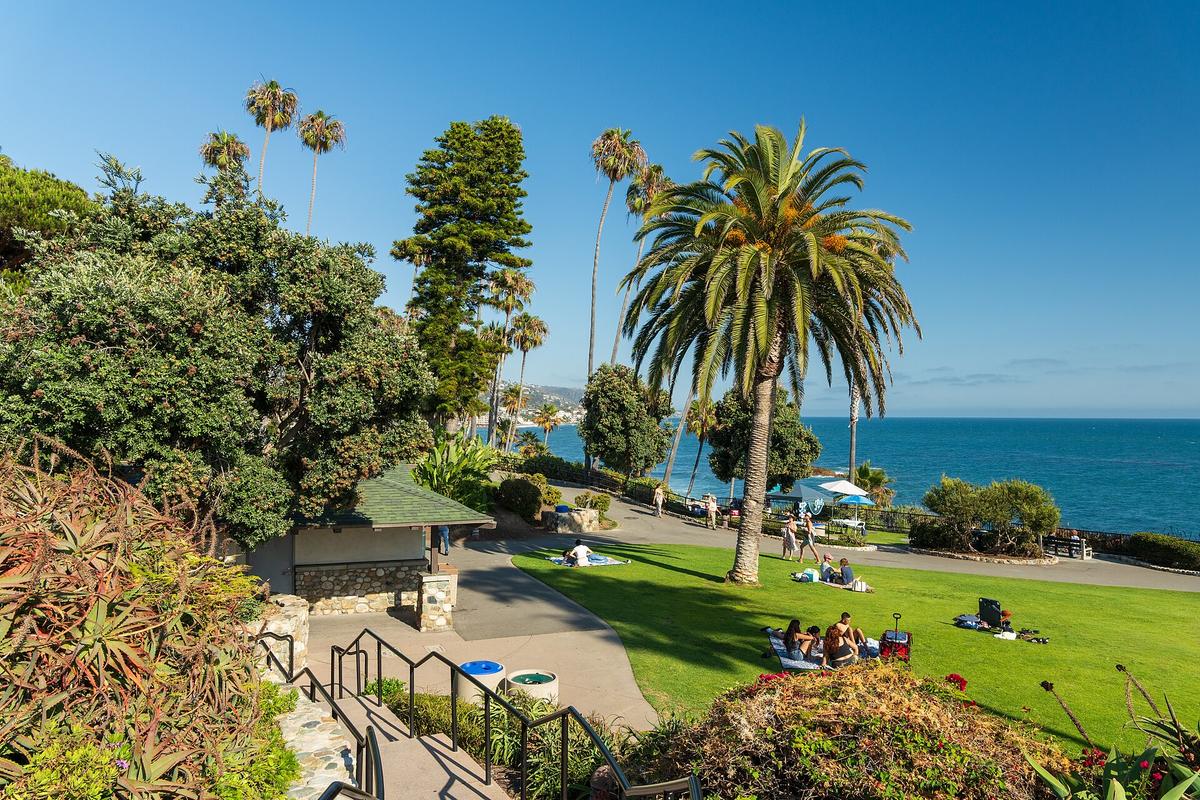
Laguna Beach is all about coves. Instead of one long beach, you'll find dozens of small beaches tucked between rocky points, many reached by stairways down the bluffs.
Heisler Park has a scenic clifftop walkway and access to tide pools. Laguna's coastline sits within marine protected areas, so look but don't take shells, rocks or sea creatures. In summer, the Festival of Arts stages the Pageant of the Masters, where real people recreate famous artworks on stage. Just north, Crystal Cove State Park has hiking trails and historic beach cottages.
Laguna suits art lovers, couples and anyone who likes to explore the coastline on foot.
Tip: Check tide charts before you go. Tide pooling is best at low tide, and some coves are hard to reach at high tide.
Oceanside
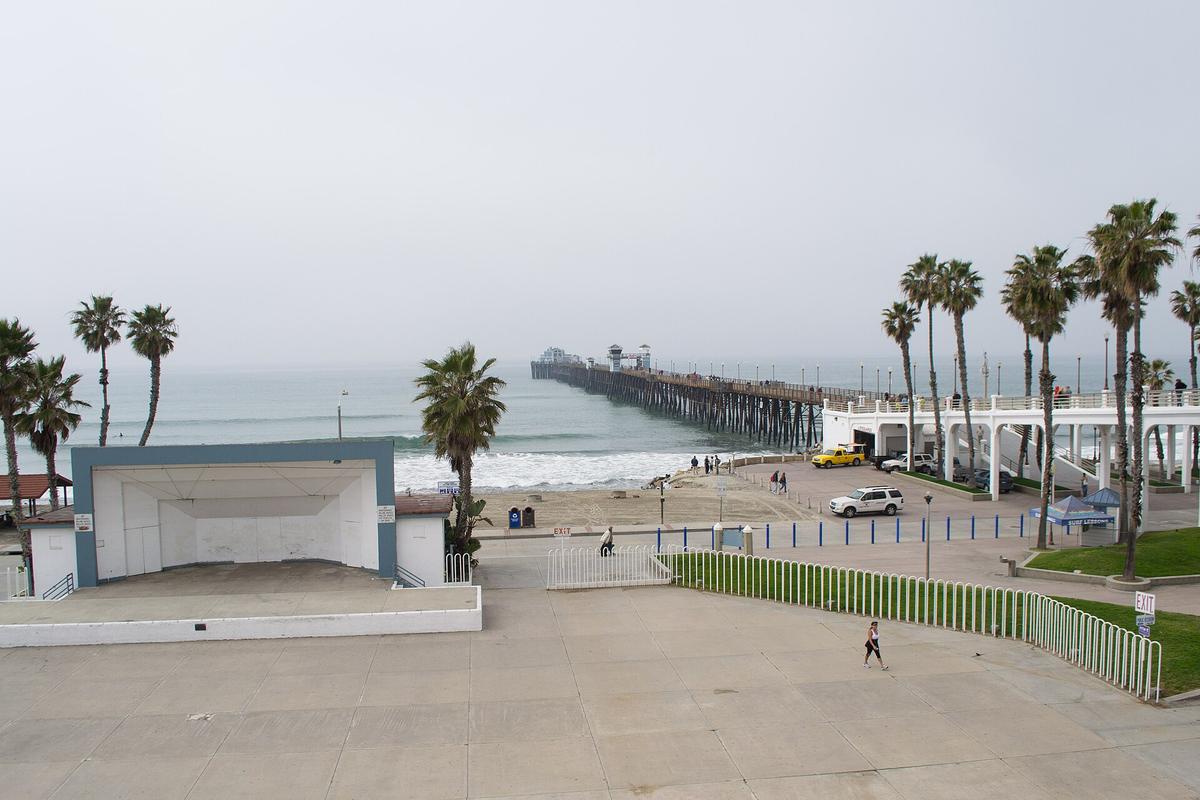
Oceanside has a big beach-town personality with a long sandy shoreline, a busy harbor and one of the best surf museums in the state.
The Oceanside Pier is a city landmark. A 2024 fire damaged its far western end, which remains closed while the city plans repairs, but most of the pier has reopened. Nearby, the California Surf Museum tells the story of surfing in the state. Mission San Luis Rey, a few miles inland, is one of the largest of California's 21 missions.
Oceanside is easy to reach without a car. The transit center downtown serves Amtrak, Metrolink and the Coaster commuter train.
Tip: Check the City of Oceanside's pier updates before you visit to see which sections are open.
Carlsbad
Carlsbad mixes beach time with family attractions. The walkable Carlsbad Village sits a block from the beach, and a seawall walkway along Carlsbad State Beach is made for morning strolls.
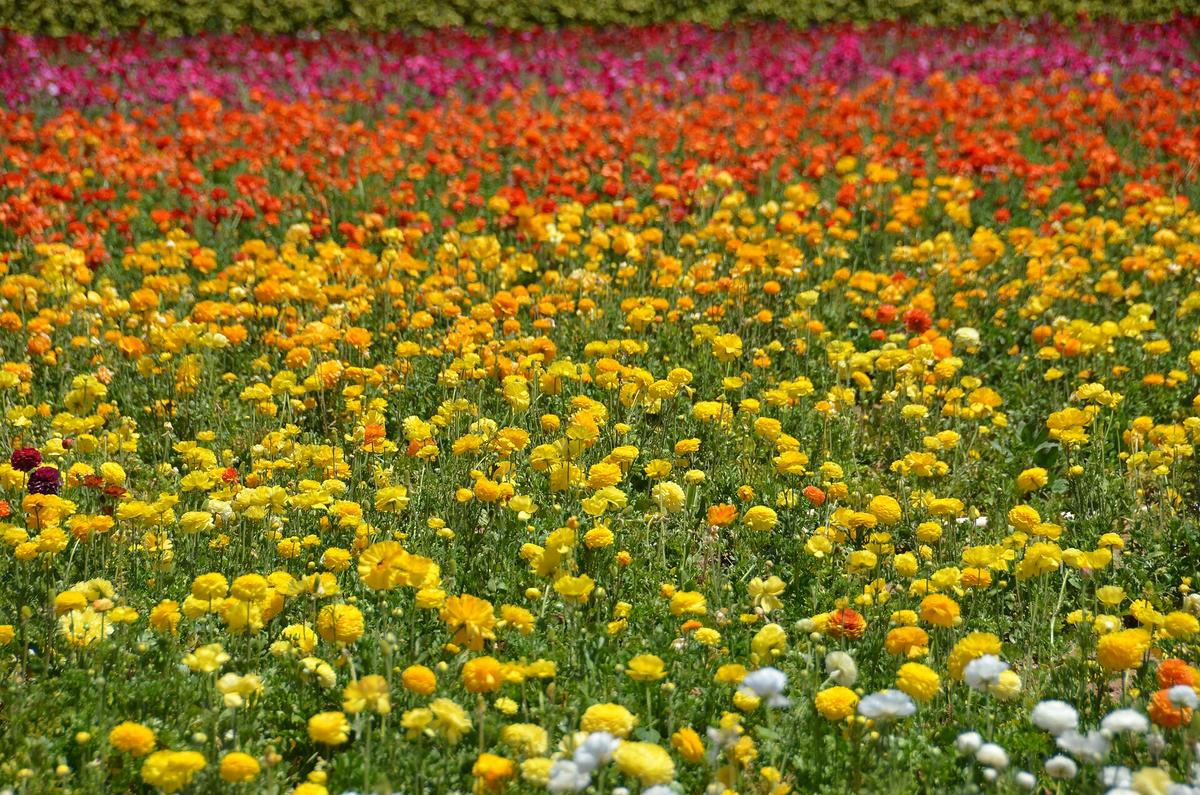
In spring, The Flower Fields fill the hillsides with rows of blooming ranunculus, usually from around March into May. LEGOLAND California is here too, along with quiet lagoon trails at Batiquitos Lagoon for birdwatching.
Families love Carlsbad, but couples will enjoy the village restaurants and sunsets just as much.
Tip: The Coaster train stops at Carlsbad Village, which makes an easy car-free day trip from San Diego.
Encinitas
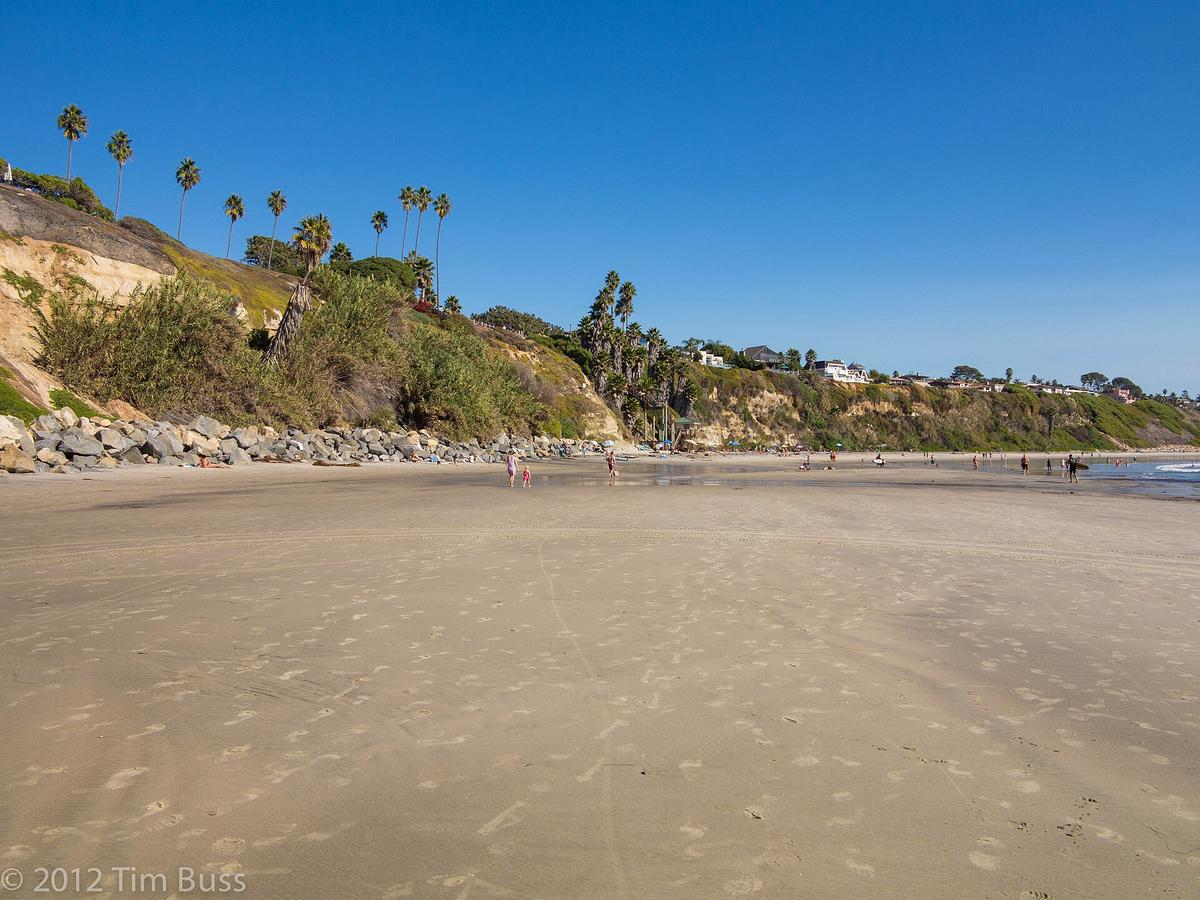
Encinitas is a surf town at heart. Its best-known break, Swami's, is named after the Self-Realization Fellowship, whose white walls and gold lotus towers sit on the bluff above it.
The SRF Meditation Gardens are free to visit and have some of the calmest ocean views in San Diego County. Moonlight Beach is the family-friendly choice, with lifeguards, volleyball courts and easy parking nearby. The Leucadia stretch of Coast Highway 101 is full of surf shops, taco spots and cafés.
It's a perfect fit for surfers, yoga fans and anyone who wants a low-key beach weekend.
Tip: Leave the car and walk or bike along Coast Highway 101. Parking near the beaches fills up quickly on summer weekends.
Which California Coastal Towns Are Best for Your Trip?
Not sure where to start? Use this quick guide to match a town to the kind of trip you want.
| Travel preference | Recommended towns | Why visit |
|---|---|---|
| Best for romantic getaways | Carmel-by-the-Sea, Mendocino, Santa Barbara | Cozy inns, sunset walks and great restaurants |
| Best for families | Monterey, Carlsbad, Pismo Beach | Aquarium, LEGOLAND, calm beaches and easy piers |
| Best for surfing | Encinitas, Ventura, Oceanside | Well-known breaks and a deep surf culture |
| Best for peaceful escapes | Trinidad, Jenner, Cambria | Small populations, quiet trails and few crowds |
| Best for scenic views | Mendocino, Laguna Beach, Carmel-by-the-Sea | Headlands, coves and nearby Point Lobos |
| Best for food lovers | Santa Barbara, Carmel-by-the-Sea, Half Moon Bay | Wine, farm-to-table menus and fresh seafood |
| Best for weekend trips | Half Moon Bay, Santa Barbara, Morro Bay | Easy drives from San Francisco or Los Angeles |
Best Time to Visit California Coastal Towns
The California coast doesn't have one climate. Northern beaches can be foggy and 60 degrees in July while San Diego County is sunny and 75. Here's what to expect by season.
Spring (March to May)
Spring brings green hills, wildflowers and fewer crowds than summer. Gray whales head north along the coast, harbor seals give birth near Jenner, and The Flower Fields bloom in Carlsbad. Southern California's "May Gray" can bring overcast mornings.
Summer (June to August)
Summer is busiest and most expensive. In Northern and Central California, fog often sits on the coast for much of the day, so pack a jacket. Southern California beaches are at their warmest, though "June Gloom" can keep mornings cloudy.
Fall (September to October)
Fall is a local favorite. Fog usually thins out, the water is often at its warmest and the summer crowds go home. It's a great time for Monterey, Carmel, Mendocino and almost anywhere else on this list.
Winter (November to February)
Winter is quieter and cheaper, with more rain in the north and occasional storms along the whole coast. It's prime time for monarch butterflies in Pacific Grove and Pismo Beach and elephant seals near Cambria. Big swells can make some beaches dangerous, so take posted warnings seriously.
Tips for Planning a California Coastal Road Trip
A coastal trip looks simple on a map, but the drive is slower than you'd think. Use these tips to plan a better trip.
- Plan a realistic route. Highway 1 is narrow and winding in many places. Pick two or three bases for a long weekend instead of a new town every night.
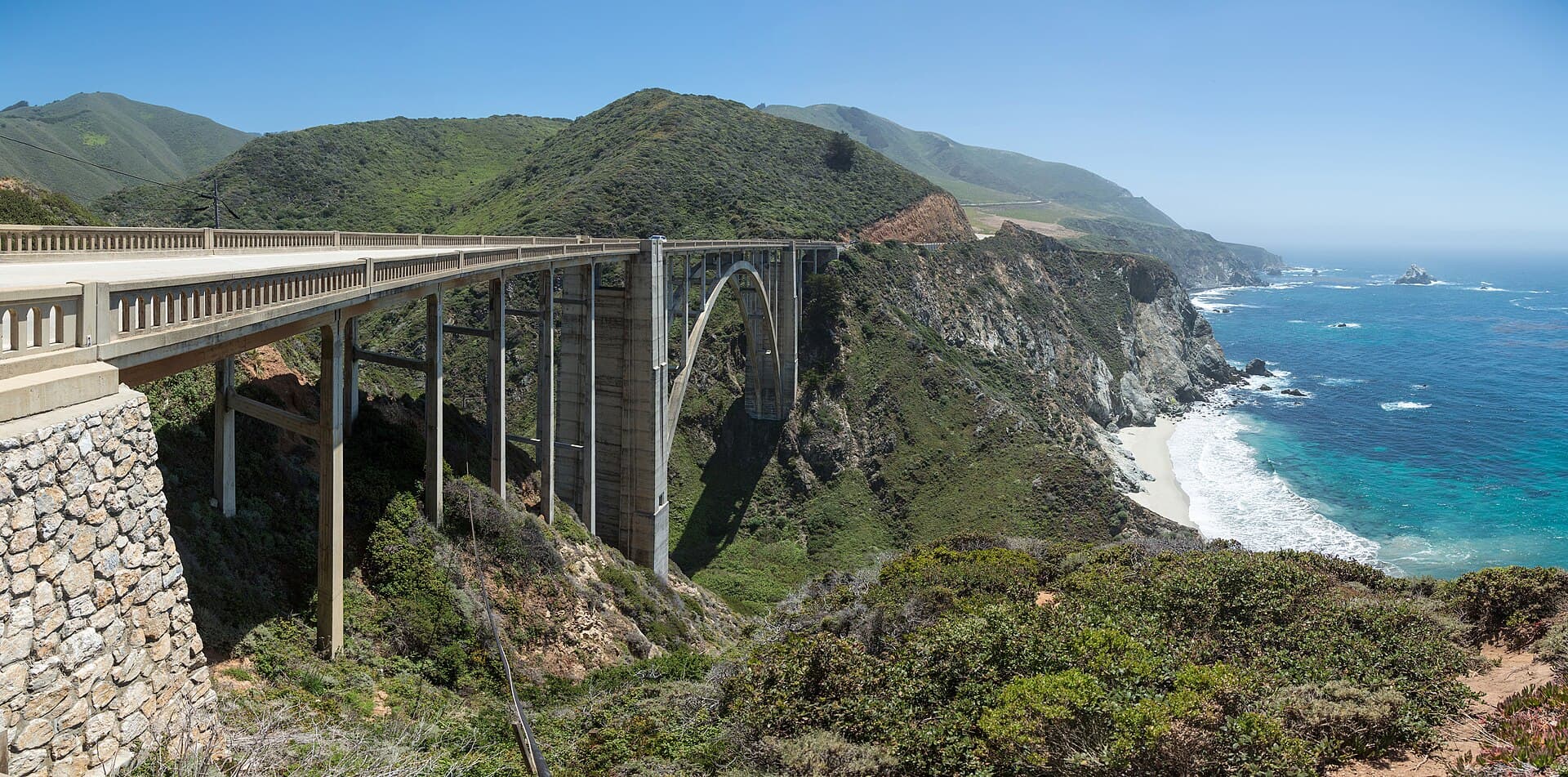
- Check road conditions before you leave. Landslides sometimes close parts of Highway 1, especially in Big Sur. The road reopened through Regent's Slide in January 2026, but Caltrans warns that closures can still happen. Check Caltrans QuickMap on the day you drive.
- Book lodging early. Small towns like Mendocino, Carmel and Cambria have limited rooms, and summer and holiday weekends fill months ahead.
- Pack layers. A sunny morning can turn foggy and windy within an hour, especially north of Santa Barbara.
- Plan for parking. Popular beaches and state parks often fill by mid-morning on weekends. Arrive early or use trains and shuttles where you can.
- Read beach conditions. Check posted signs for rip currents, sneaker waves and water quality, and swim near lifeguards when possible.
- Respect wildlife and protected areas. Stay well back from seals, sea lions and nesting birds, stay on trails and leave tide pool creatures where you find them.
- Leave buffer time. A drive that looks like two hours can take three with photo stops, roadwork and slow traffic.
For more route ideas, read our guide to the most beautiful coastal drives in America.
Frequently Asked Questions
What are the most beautiful coastal towns in California?
Mendocino, Carmel-by-the-Sea, Laguna Beach and Santa Barbara are often named among the most beautiful. Each has a striking setting, from Mendocino's headlands to Laguna's coves.
What is the best small coastal town in California?
It depends on your style. Mendocino is great for a romantic, walkable village, Cambria for a quiet base near Big Sur and Trinidad for a tiny, remote harbor town.
What are the best coastal towns in Northern California?
Mendocino, Fort Bragg, Bodega Bay, Jenner and Trinidad are standouts. Half Moon Bay is another easy choice near San Francisco.
What are the best coastal towns in Southern California?
Santa Barbara, Ventura, Laguna Beach, Oceanside, Carlsbad and Encinitas each offer a different take on beach-town life, from art galleries to surf breaks.
Which California coastal towns are best for a weekend getaway?
From the Bay Area, try Half Moon Bay, Bodega Bay or Monterey. From Los Angeles, Santa Barbara, Ventura and Laguna Beach are easy weekend trips.
What is the cheapest coastal town to visit in California?
Prices change by season, but towns like Fort Bragg, Morro Bay, Ventura and Oceanside often have lower lodging rates than Carmel, Laguna Beach or Santa Barbara. Visiting midweek or in winter also helps.
What is the best time to visit California beach towns?
September and October are often the best months, with less fog, warmer water and smaller crowds. Summer is best for warm beach days in Southern California.
Explore More of California
The California coast changes every few hours of driving. Up north you'll find fog, redwoods and quiet villages. The Central Coast brings cypress trees, sea otters and mission towns. Down south it's surf, sunshine and long beach days.
Pick the stretch that fits your trip, and keep exploring with our Hermosa Beach travel guide, our Monterey and Carmel guide and our stories about California beach life.
Sources
- U.S. Census Bureau: Trinidad city, California, 2020 Census
- California State Parks: MacKerricher State Park
- California State Parks: Mendocino Headlands State Park
- Sonoma County Tourism: Goat Rock Beach
- Stewards of the Coast and Redwoods: Seal Watch
- California State Parks: Fort Ross State Historic Park
- Visit Half Moon Bay
- Monterey Bay Aquarium
- Pacific Grove Museum of Natural History: Monarch viewing
- City of Pacific Grove: Point Pinos Lighthouse
- California State Parks: Point Lobos State Natural Reserve
- Bay City News: Carmel nears adoption of standard street addresses
- Morro Bay Tourism: Morro Rock
- California State Parks: Pismo State Beach
- Visit Santa Barbara
- City of Ventura: Ventura Pier
- National Park Service: Channel Islands National Park
- Visit Laguna Beach
- NBC San Diego: Oceanside Pier rebuild update
- California Surf Museum
- The Flower Fields at Carlsbad Ranch
- Visit Encinitas
- Caltrans District 5: Highway 1 reopens at Regent's Slide
- Caltrans QuickMap
Hours, fees, road conditions and seasonal wildlife viewing change. Please confirm details with the official sources before you go.