California makes the vast majority of American wine, and its most famous valleys are an easy drive from San Francisco. Here's how to plan a first visit that's relaxed instead of rushed.
The day California wine shocked the world
In 1976, a British wine merchant organized a blind tasting in Paris pitting top French wines against little-known Californians. French judges picked a Napa Valley Cabernet from Stag's Leap Wine Cellars and a Chardonnay from Chateau Montelena as the winners. The "Judgment of Paris" put Napa on the world map.
Napa or Sonoma?
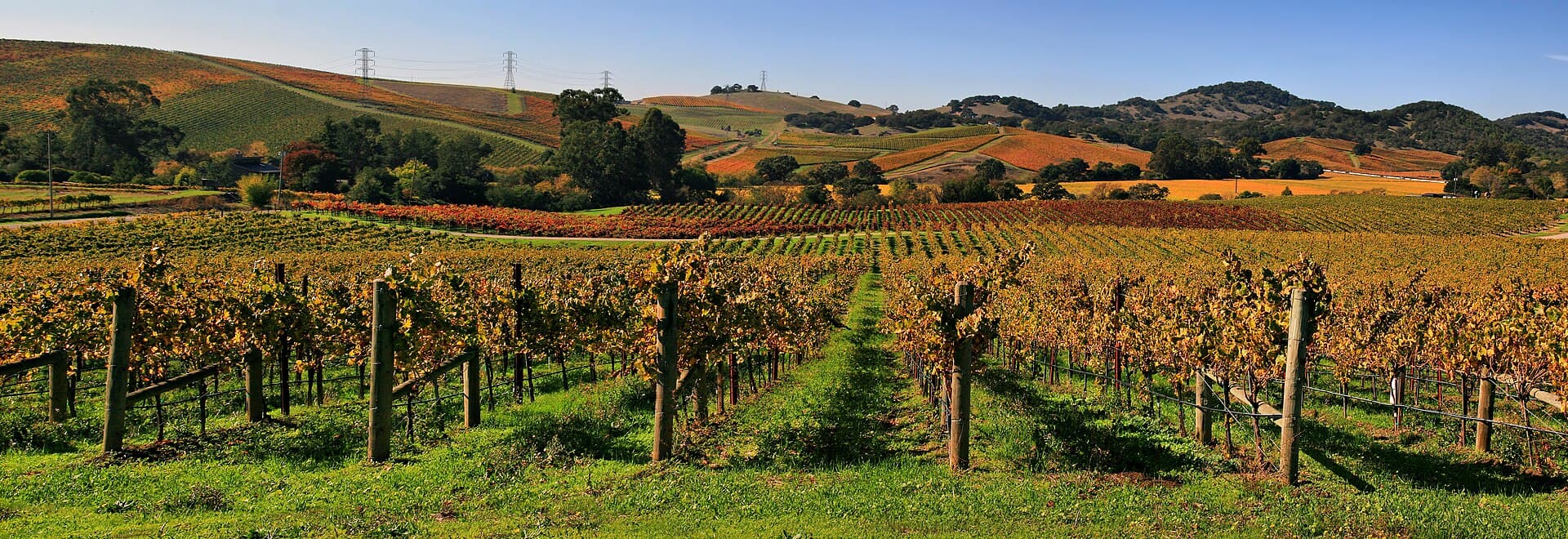
Napa Valley is compact, polished and famous for Cabernet Sauvignon, with grand estates along Highway 29 and the Silverado Trail.
Sonoma County is bigger and more rural, with Pinot Noir and Chardonnay country in the Russian River Valley, coastal vineyards and laid-back small towns like Healdsburg and Sonoma.
There's no wrong answer. If it's your first visit and you want icons, choose Napa. If you want winding back roads and a slower pace, choose Sonoma.
Book ahead
Most wineries now require reservations for tastings, especially on weekends. Plan for two or three tastings a day with a long lunch in between. It's more enjoyable, and safer.
When to go
- Harvest (late August–October): the most exciting time, when grapes are picked and crushed.
- Winter: quiet, green and cheaper, with mustard flowers blooming between the vines from January to March.
- Spring and early summer: budbreak, wildflowers and long golden evenings.
Getting around
Designate a driver, book a car service or join a tour. Napa's Vine Trail is also slowly connecting the valley for cyclists.
Beyond Napa and Sonoma
California has more than 140 designated wine regions. Explore Paso Robles, the Santa Ynez Valley near Santa Barbara, the Sierra Foothills in Gold Country and Lodi for great wines with fewer crowds.