You might think you know California. Here are a few facts that surprise even lifelong Californians.
California is named after a fictional island
In a Spanish romance novel published in the early 1500s, Las Sergas de Esplandián by Garci Rodríguez de Montalvo, "California" was a mythical island ruled by a warrior queen named Calafia. When Spanish explorers reached the Baja California peninsula, which they believed was an island, the name stuck.
It holds the world record for heat
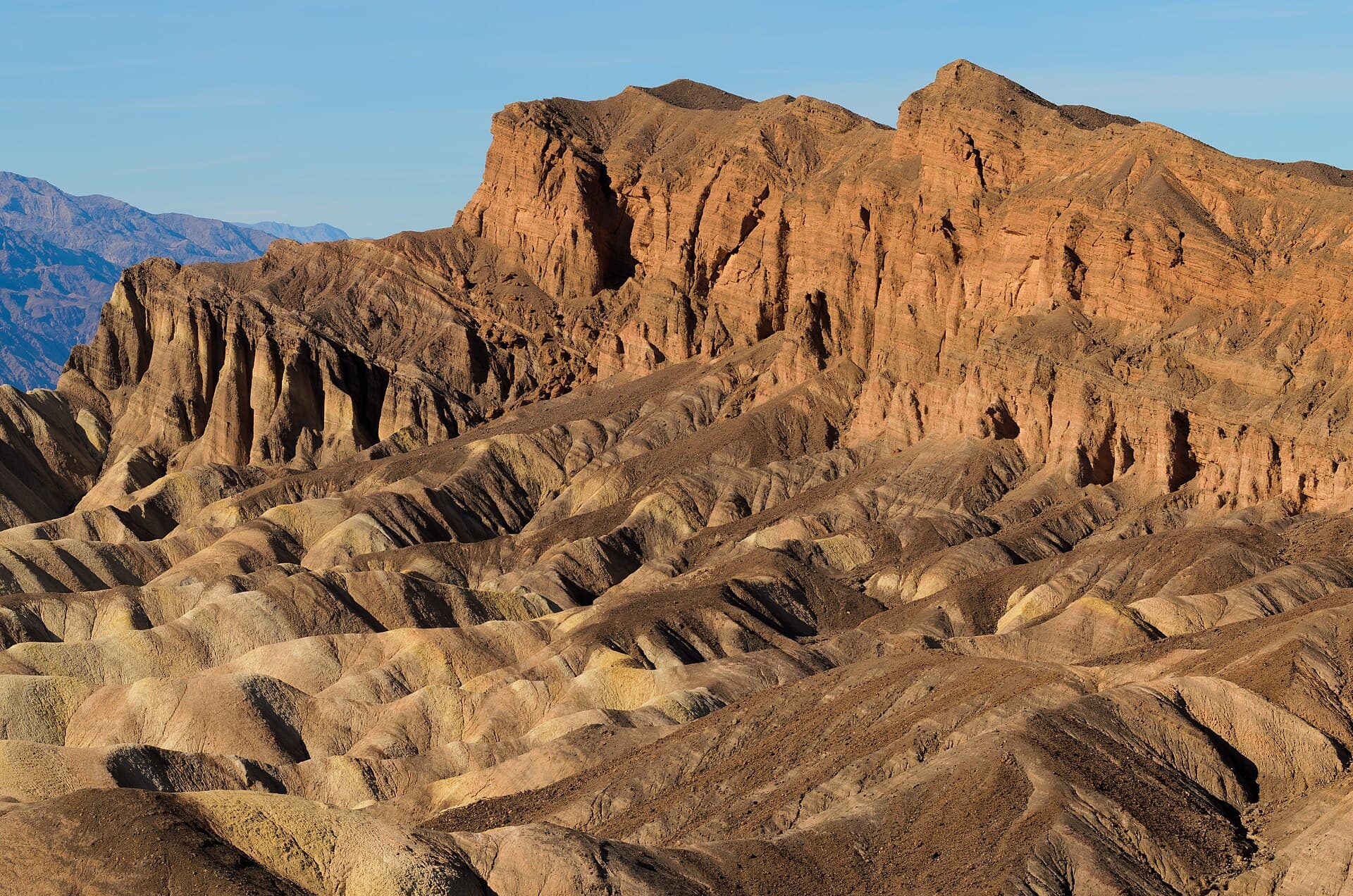
On July 10, 1913, a thermometer at Furnace Creek in Death Valley recorded 134°F (56.7°C). It remains the official highest air temperature ever recorded on Earth.
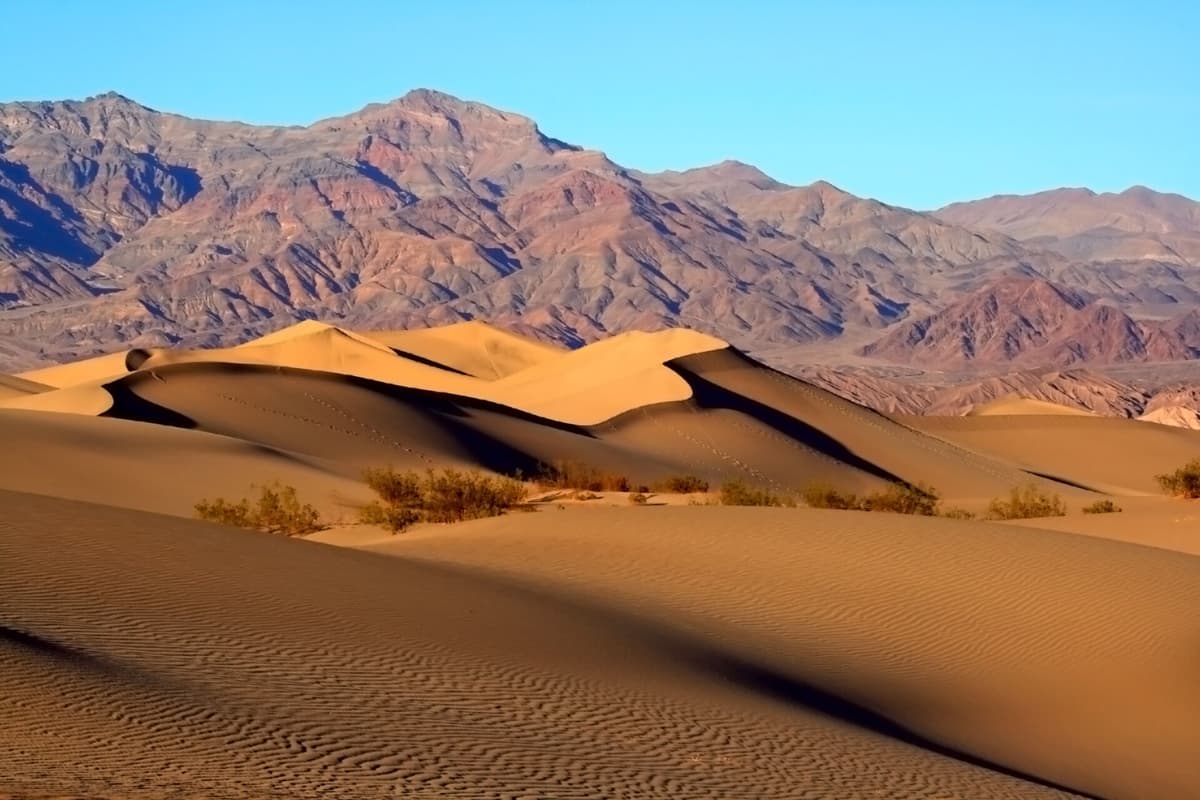
The highest and lowest points are neighbors
Mount Whitney, at 14,505 feet the highest summit in the contiguous United States, is only about 85 miles from Badwater Basin in Death Valley, which sits 282 feet below sea level, the lowest point in North America.
The tallest, largest and oldest trees all live here
- Tallest: Hyperion, a coast redwood in Redwood National Park, stands about 380 feet tall. Its exact location is kept secret to protect it.
- Largest: General Sherman, a giant sequoia in Sequoia National Park, is the largest tree on Earth by volume.
- Oldest: Great Basin bristlecone pines in the White Mountains have lived for more than 4,800 years.
It has more national parks than any other state
California has nine: Channel Islands, Death Valley, Joshua Tree, Kings Canyon, Lassen Volcanic, Pinnacles, Redwood, Sequoia and Yosemite.
Yosemite helped invent the idea of a protected park
In 1864, in the middle of the Civil War, President Abraham Lincoln signed the Yosemite Grant, setting aside Yosemite Valley and the Mariposa Grove for public use. It was the first time the federal government protected land for its scenic value, eight years before Yellowstone became the first national park.
The state animal no longer lives here
The California grizzly bear appears on the state flag, but it was hunted to extinction in the state. The last confirmed sighting was in the 1920s.
It feeds the nation
California grows more than a third of America's vegetables and around three-quarters of its fruits and nuts, according to the California Department of Food and Agriculture. Nearly all of the country's almonds, artichokes and walnuts are grown here.
The Golden Gate Bridge isn't golden
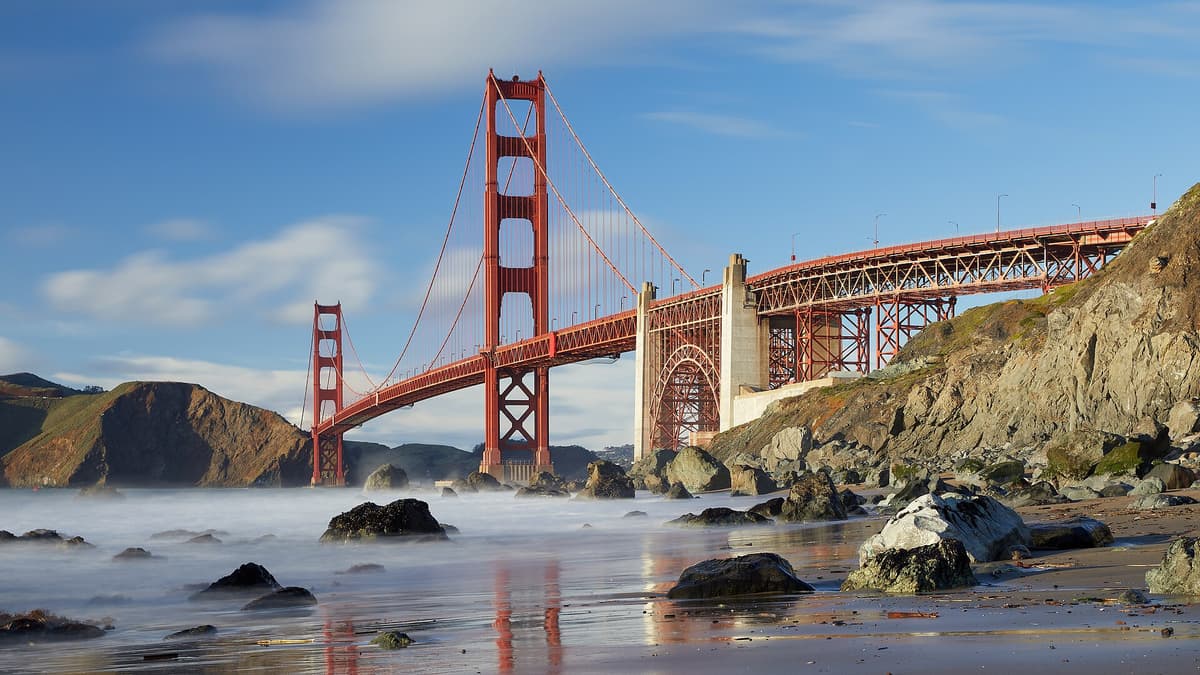
The name comes from the Golden Gate strait, named before the Gold Rush. The bridge's famous color is officially called "International Orange," chosen partly because it stays visible in fog. It opened in 1937.
If California were a country…
With an economy worth roughly four trillion dollars, California would rank among the five largest economies in the world, alongside nations like Germany and Japan.