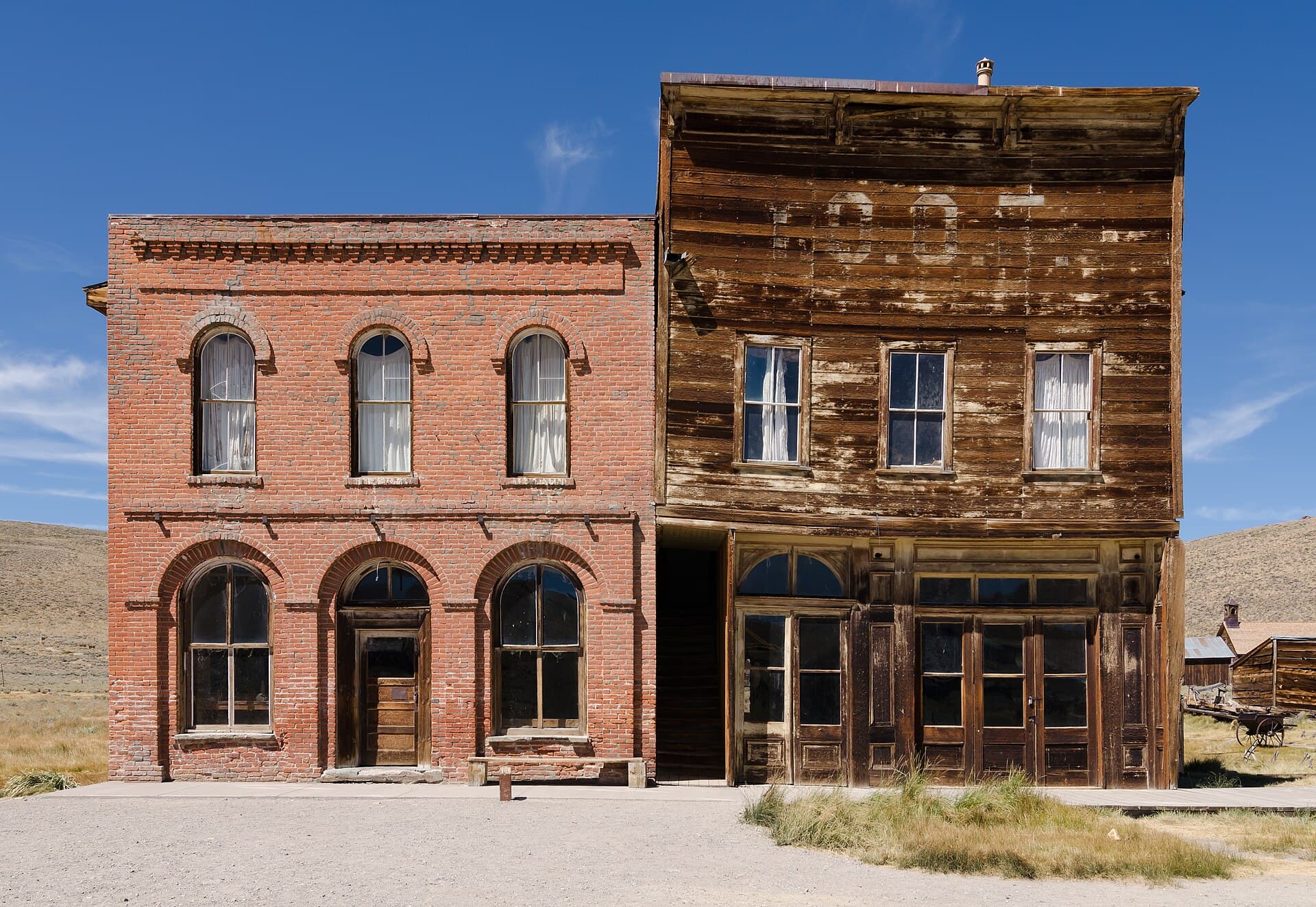
At about 8,400 feet in the hills east of the Sierra Nevada, the wind whistles through empty streets. Inside the houses, tables are still set. Bottles line the shelves of the general store. Welcome to Bodie, once one of the wildest boomtowns in the West.
From gold strike to boomtown
Gold was discovered here in 1859 by a prospector named W. S. Bodey, who died in a blizzard soon after. For years the camp stayed small. Then, in the late 1870s, a rich strike set off a rush, and by around 1880 Bodie had thousands of residents, dozens of saloons, a Chinatown, newspapers and a reputation for violence.
The long goodbye
As the gold played out, people drifted away. Fires in 1892 and 1932 destroyed much of the town. By the 1940s Bodie was essentially abandoned.
Arrested decay
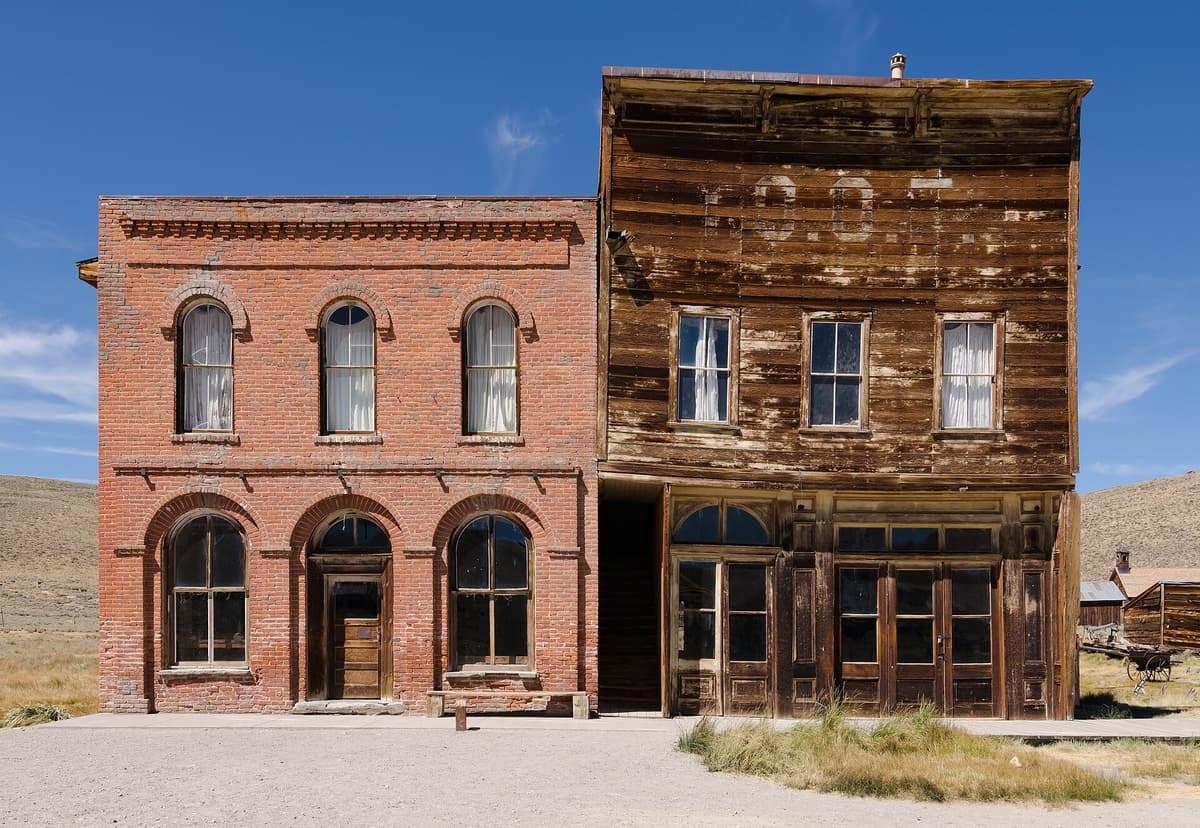
In 1962, Bodie became a California State Historic Park. Rather than restoring the buildings, the state chose to keep them in "arrested decay": stabilized, but left as they were found. About 110 structures still stand, and peering through their windows feels like looking straight into the 1880s.
Visiting Bodie
- Getting there: Bodie is off Highway 395 near Bridgeport. The final few miles are unpaved but usually fine for regular cars in summer.
- When to go: Late spring to fall. Winter snow often makes the road impassable.
- Bring: Water, layers and sun protection. There are no food services.
- Respect the park: Take nothing, not even a nail. Local legend says those who do are followed by bad luck, and the park receives letters from visitors returning "souvenirs."
Combine it with the eastern Sierra
Pair Bodie with Mono Lake, the June Lake Loop and Mammoth Lakes for one of California's great road trips.