For millions of Americans heading west in the 20th century, California was the end of the road. Route 66 entered the state at the Colorado River near Needles and finished, symbolically at least, at the Pacific Ocean in Santa Monica.
The Mother Road
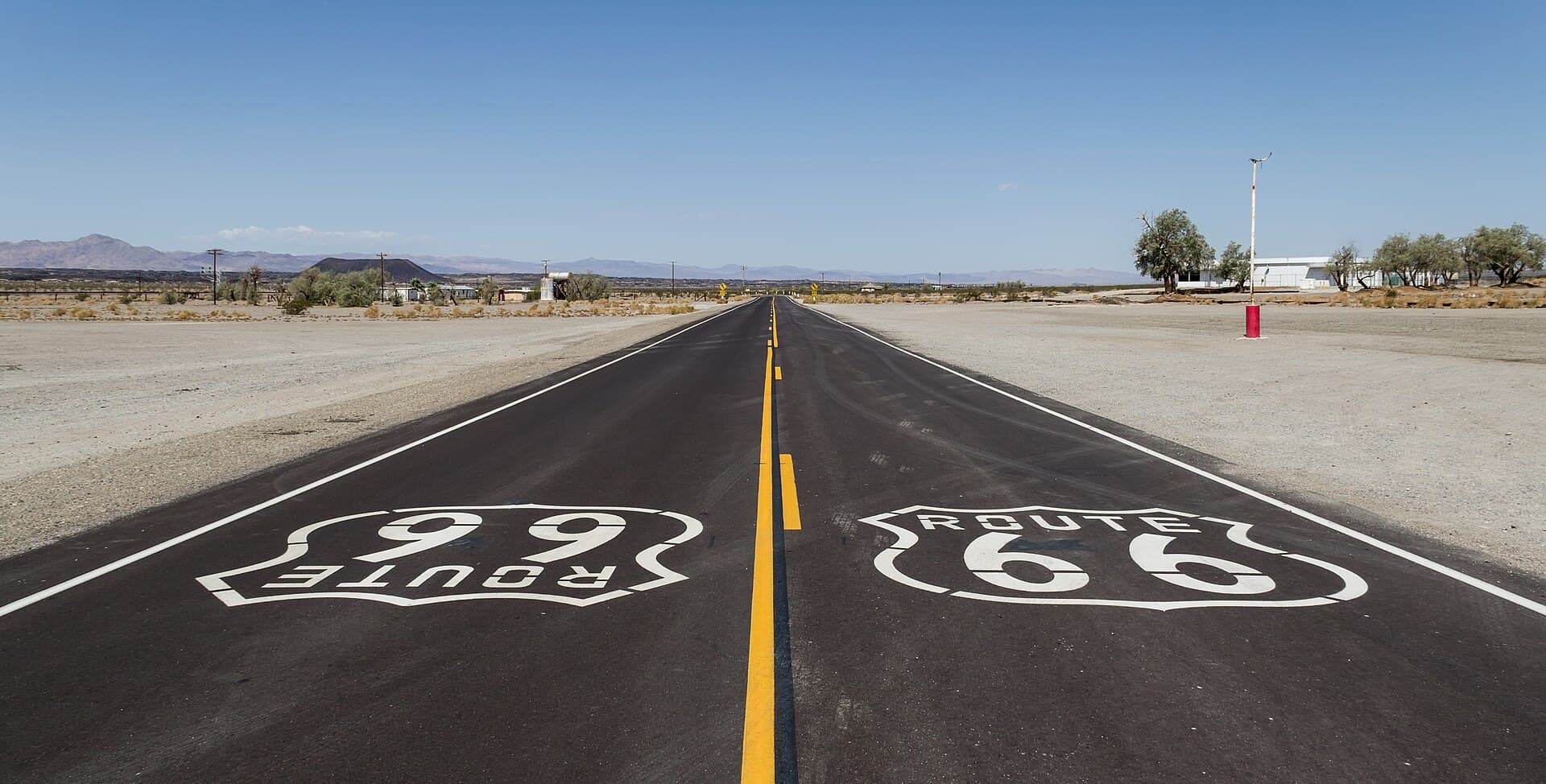
Commissioned in 1926, Route 66 ran from Chicago to Los Angeles. John Steinbeck called it "the mother road" in The Grapes of Wrath, describing families fleeing the Dust Bowl for California. The highway was officially decommissioned in 1985, but much of the old road survives.
Through the Mojave
East of Barstow, the old route runs through some of the emptiest desert in America. Highlights include the tiny town of Amboy, with Roy's Motel and Café and its famous mid-century sign, and the black cinder cone of Amboy Crater nearby.
Check before you go: Sections of the old highway east of Barstow have closed periodically for bridge repairs and flood damage. Check current conditions with San Bernardino County.
Into the Inland Empire
Route 66 continues through Barstow, Victorville and Cajon Pass, then along Foothill Boulevard through towns like Rancho Cucamonga, where old motels, diners and orange-crate-era signs still line the road.
The end of the trail
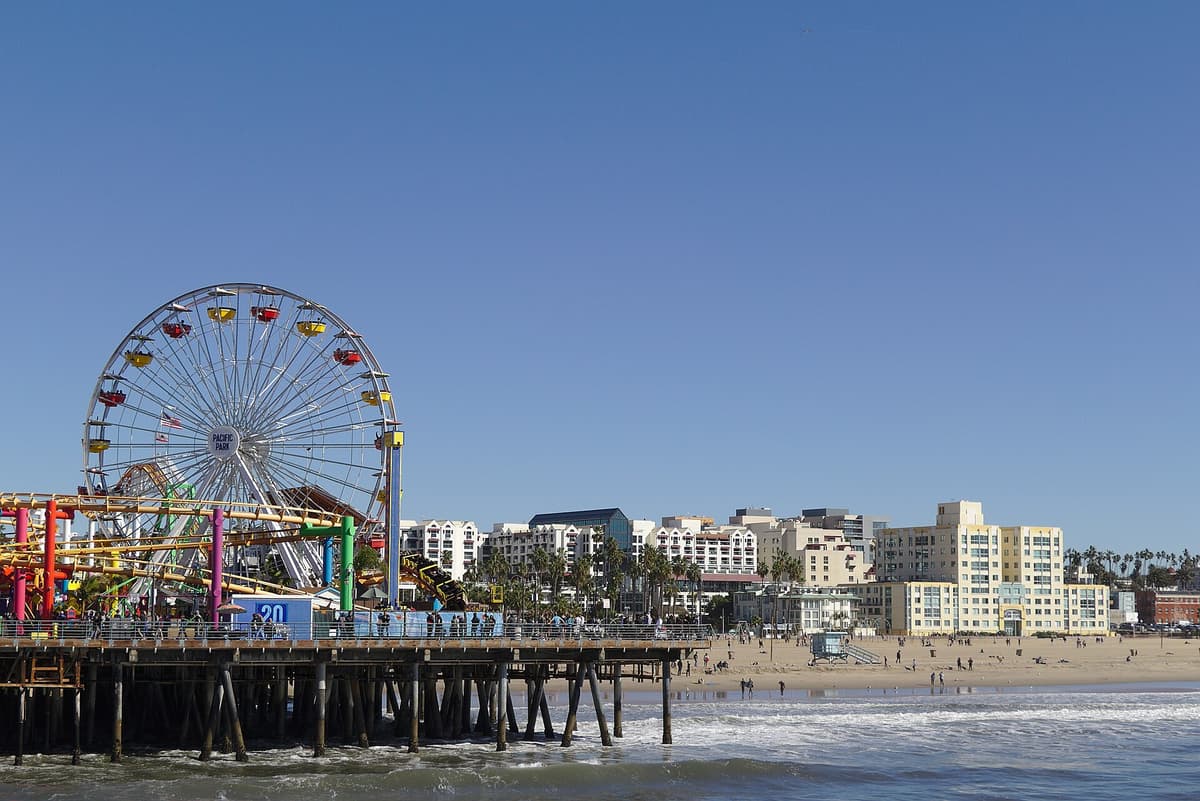
The route reaches the ocean at Santa Monica, where an "End of the Trail" sign on the pier marks the finish line for road-trippers who drove all the way from Chicago.
Road-trip tips
- Go in spring or fall. Summer temperatures in the Mojave can be extreme.
- Fill up often. Services are sparse between Needles and Barstow.
- Carry water and tell someone your plans if driving remote stretches.